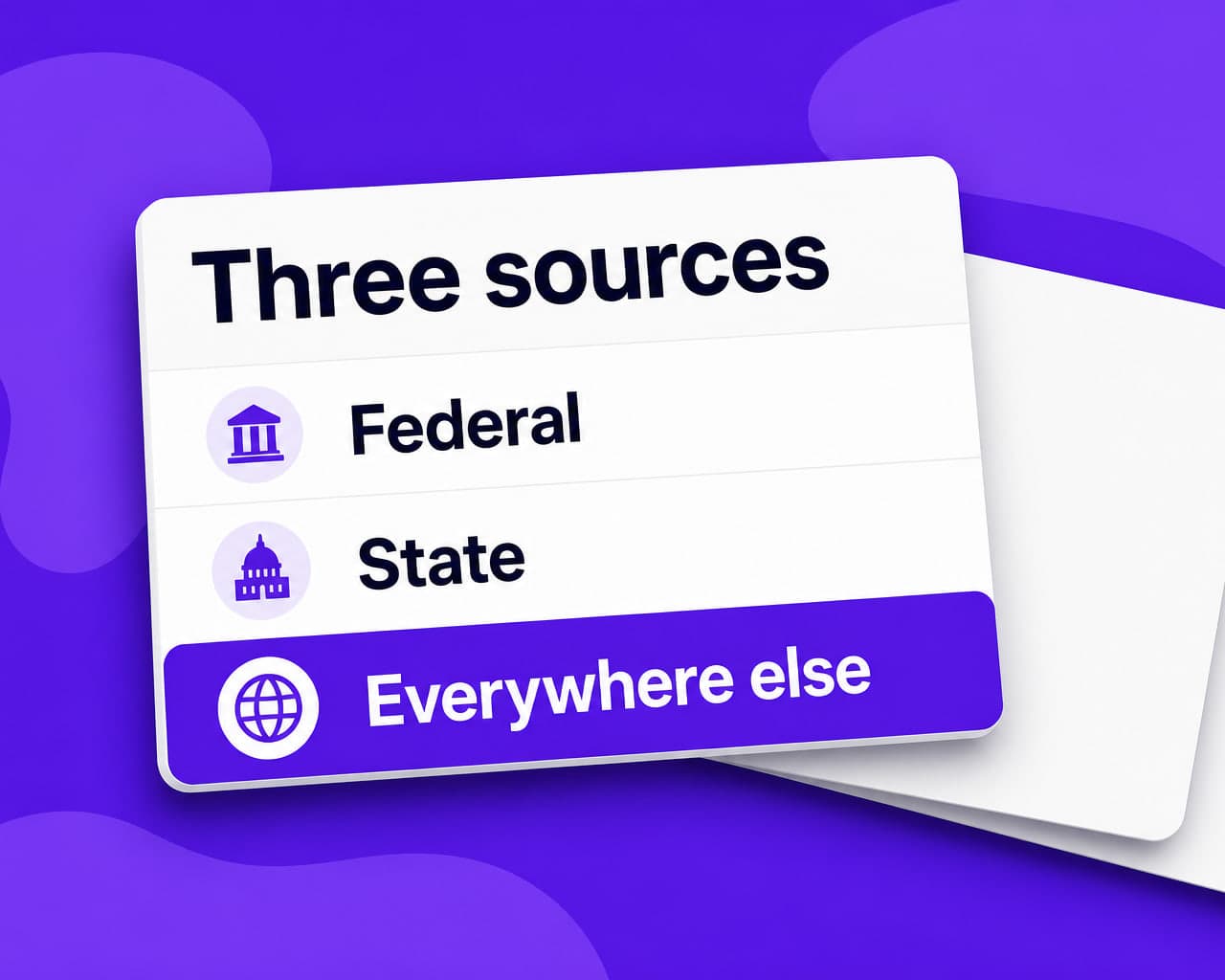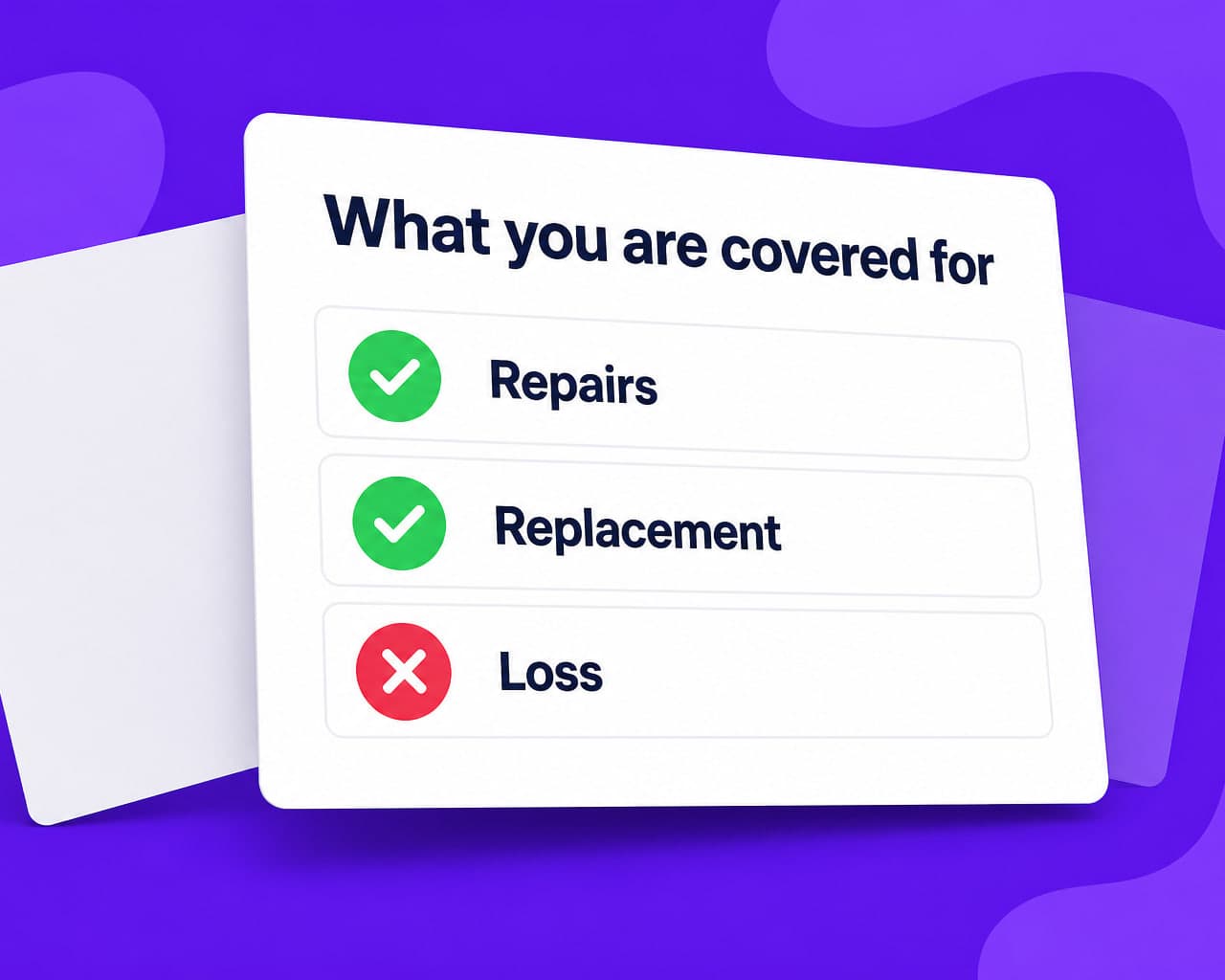
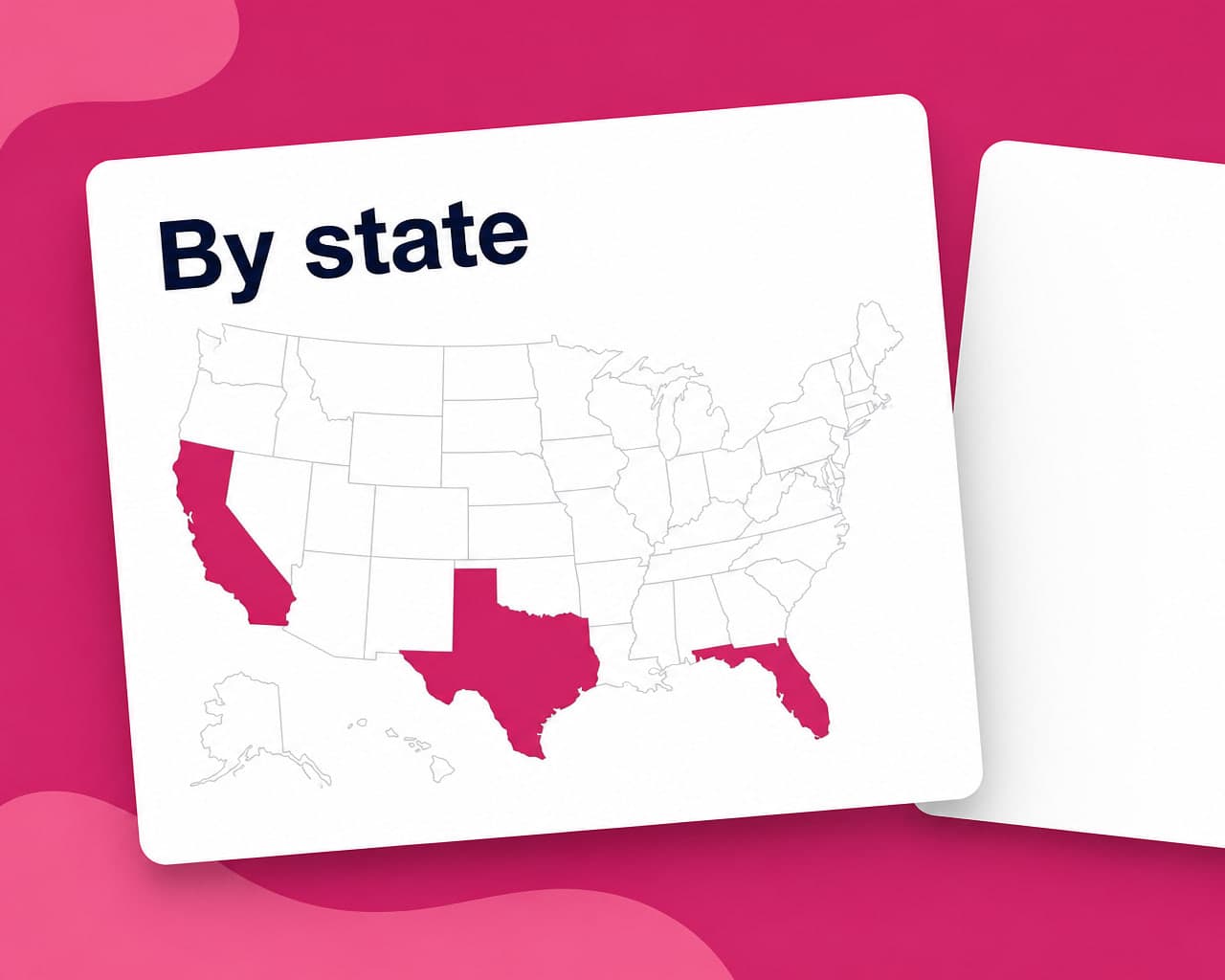
Quick answer — Insurance language duties in the US are set state by state, so there is no single answer. Three states impose contract-language duties directly, health plans carry a federal floor through the Affordable Care Act, and everywhere else the driver is demographic rather than statutory.
Vitra.ai Universe is deployed against the state your book actually sits in.
Fifty regulators, no federal one
McCarran-Ferguson left insurance regulation to the states, so there is no national language rule and no national list of covered languages. The NAIC writes model laws, states adopt them unevenly, and the models are largely silent on translation.
Which means the useful question is not "what does the US require" but "which of these drivers applies to my book".
The drivers, and where each applies
| Driver | Where it applies |
|---|---|
| Contract-language statute | California, Texas, New York |
| Federal floor for health plans | All fifty states and DC, via ACA Section 1557 |
| Demographics ahead of statute | Alaska, Arizona, Colorado, Connecticut, Delaware, Florida, Georgia, Hawaii, Idaho, Illinois, Kansas, Maryland, Massachusetts, Michigan, Minnesota, Nebraska, Nevada, New Jersey, New Mexico, North Carolina, Oklahoma, Oregon, Pennsylvania, Rhode Island, Utah, Virginia, Washington |
| No state driver; the federal health floor is the operative rule | Alabama, Arkansas, Indiana, Iowa, Kentucky, Louisiana, Maine, Mississippi, Missouri, Montana, New Hampshire, North Dakota, Ohio, South Carolina, South Dakota, Tennessee, Vermont, West Virginia, Wisconsin, Wyoming |
California is the clearest case: Civil Code section 1632 reaches contracts negotiated primarily in Spanish, Chinese, Tagalog, Vietnamese or Korean, and an insurance contract is a contract. Texas approves Spanish-language personal auto and residential property forms through its department. New York's department applies its own expectations to consumer-facing material.
The health floor is the one people miss
Section 1557 of the Affordable Care Act obliges covered health programmes to provide language assistance, and the threshold-language lists are published per state. Fifteen languages in California is a different obligation from fifteen languages in Vermont.
So a national health insurer does not have one translation programme. It has fifty-one, and they overlap heavily — which is exactly the case translation memory is built for, because the fifty-first state costs almost nothing after the first.
Verify per state, then build once
The tiers tell you where to look, not what the duty is. Confirm the rule with each department of insurance before relying on it; these change by bulletin rather than statute, and bulletins are not loud.
Then build one asset set, gate it once through quality control, and vary only the language list.
Where to start
Health if you write it, because the federal floor is already binding. Otherwise motor, which is the highest-volume consumer-facing line in nearly every state. Property matters more than its premium share suggests in the wildfire and hurricane states. The capability map behind all of it is AI for insurance.
FAQ
Is there a federal US law on insurance translation? Not for insurance generally. McCarran-Ferguson leaves regulation to the states, so there is no national rule and no national list of covered languages. The exception is health, where Section 1557 of the Affordable Care Act imposes a floor.
Which states impose a contract-language duty on insurers? California most clearly, through Civil Code section 1632, which reaches contracts negotiated primarily in Spanish, Chinese, Tagalog, Vietnamese or Korean. Texas approves Spanish personal auto and residential property forms, and New York applies its own expectations to consumer material.
How does ACA Section 1557 affect health insurers? It obliges covered health programmes to provide language assistance, with threshold language lists published per state. Fifteen languages in California is a different obligation from fifteen in Vermont, so a national carrier has fifty-one overlapping language lists rather than one.
Do NAIC model laws settle the translation question? No. The NAIC writes models and states adopt them unevenly, and the models are largely silent on language. Rules more often arrive by departmental bulletin than by statute, which is why each state has to be checked directly.