Quick answer — Compare on five things insurance actually needs: document structure preservation, per-risk review gates, multimodal coverage, memory ownership and where content is processed. Output quality is where vendors look alike; these are where they do not.
Vitra.ai Universe is built against this list rather than around it.
Why generic comparisons do not help
Most translation-software comparisons score speed, language count and price. Every serious vendor looks similar on those, and none of them is why an insurance rollout fails.
Insurance breaks tooling in specific places. Compare there.
The five that separate vendors
Does it preserve document structure? A policy wording is numbered clauses, cross-references and benefit tables. A tool that returns fluent prose with the numbering rebuilt has produced an unusable document, because an endorsement citing clause 7.3 now points somewhere else.
Can review be gated by risk? You do not want the same treatment for a blog post and an exclusions clause. A vendor offering one mode is either overcharging for the blog or under-serving the wording.
Does it cover more than text? Insurance publishes spreadsheets, annotated photographs, video, app strings and design files. A text-only tool leaves you buying three more.
Do you own the memory? Every approved rendering your compliance function has signed off is an asset that took years. If it cannot be exported in a standard format, the switching cost grows monthly.
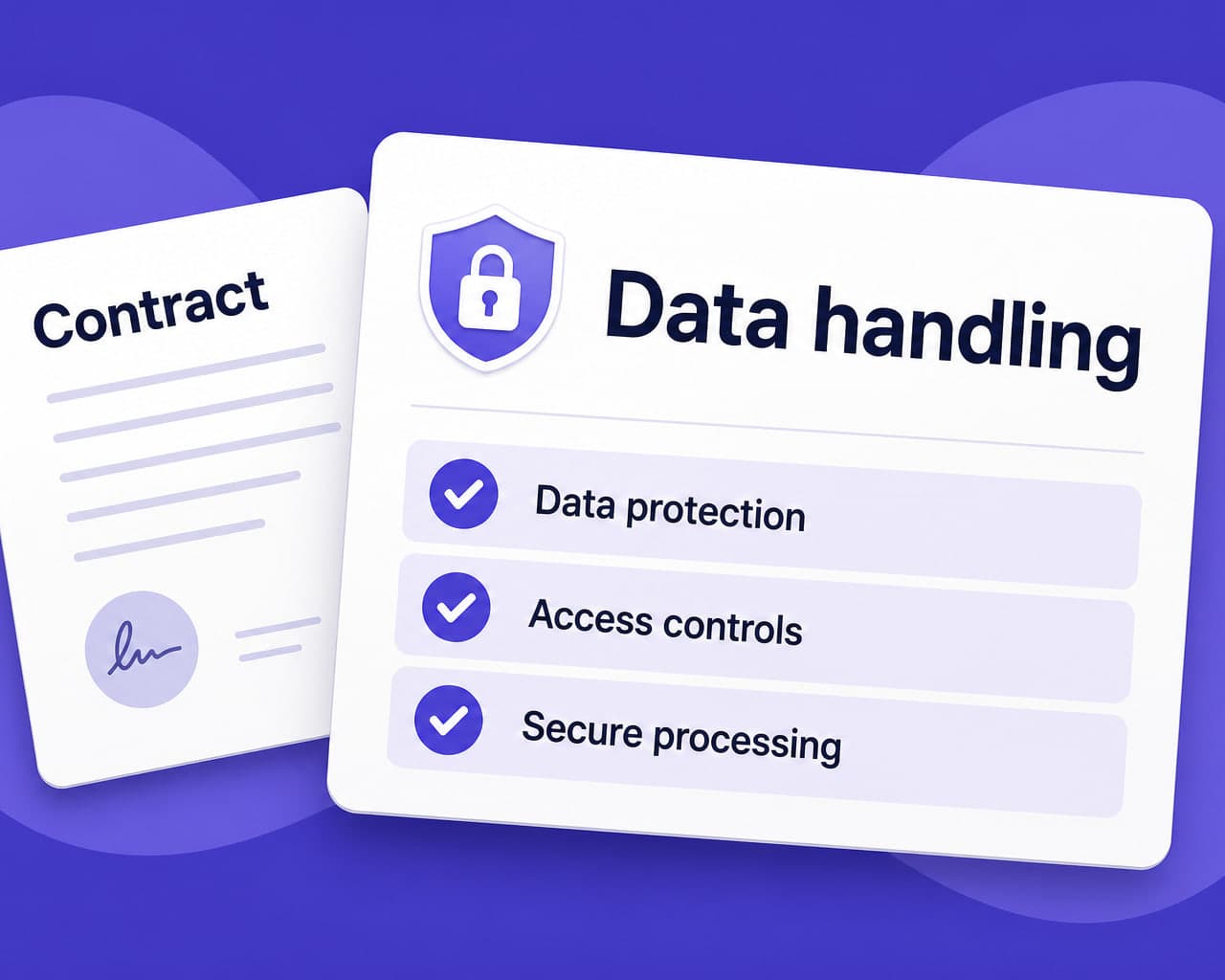
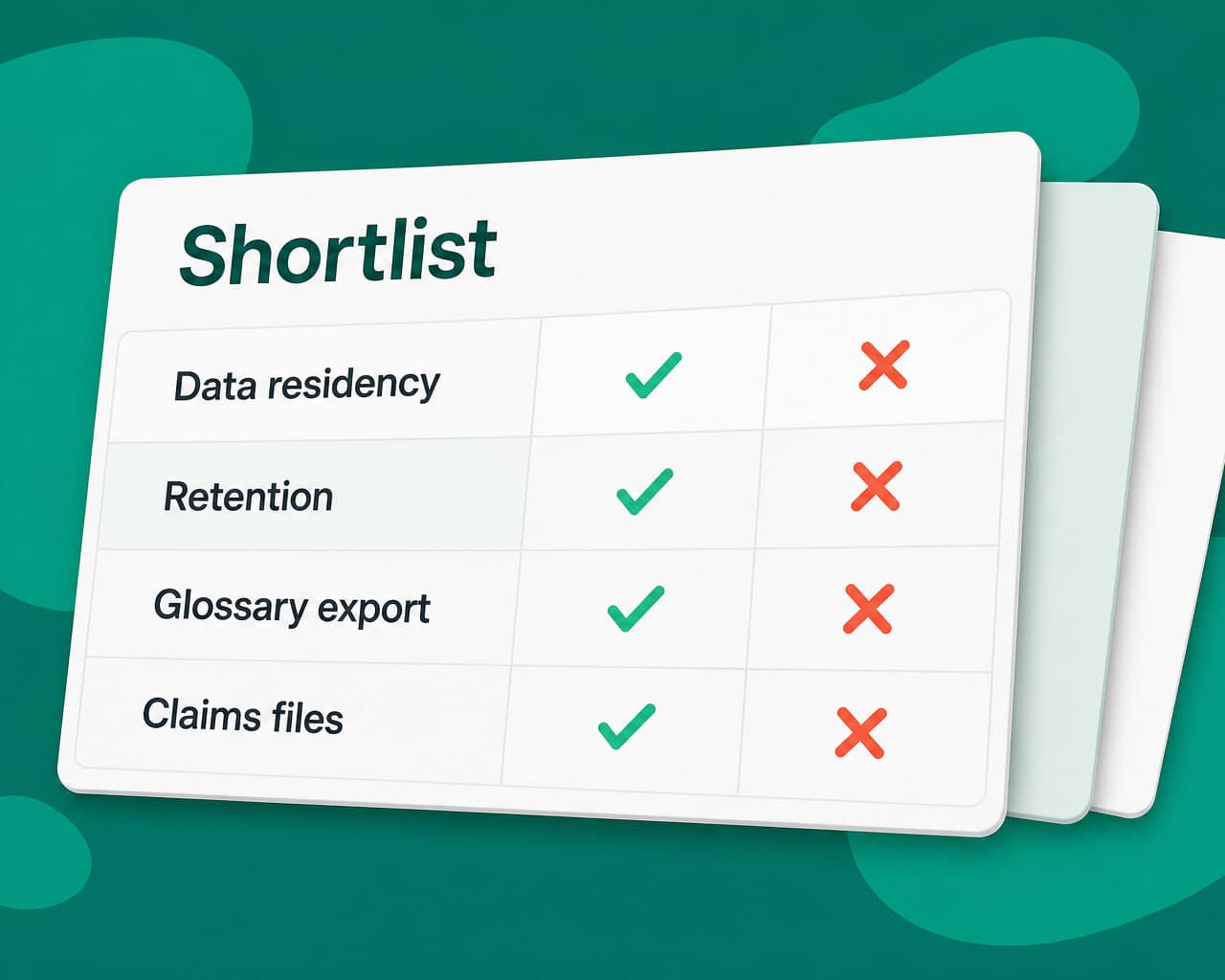
Where is content processed? Claims correspondence carries special-category data. This is a contract question and it decides the shortlist before anyone reviews output.
A scoring frame
| Capability | Why insurance needs it |
|---|---|
| Structure-preserving documents | Clause numbering and tables survive |
| Risk-tiered review | Compliance sign-off only where it is warranted |
| Image and video | Signage, annotated evidence, explainers |
| Structured data and spreadsheets | Bordereaux, directories, code sets |
| Memory portability | The asset you keep when you leave |
| Design-tool plugins | Figma, Photoshop, Illustrator, InDesign, Canva |
| Office integration | Word and PowerPoint, where wordings actually live |
| Deployment control | Own domain, storage, keys |
Three questions that sort a shortlist fast
Ask what happens when the source changes after translation. If the answer involves somebody noticing, that is your staleness problem arriving in a year.
Ask how the glossary reaches video and creative. If it does not, terminology drifts by asset type and no reviewer catches it, because no reviewer sees both.
Ask for the memory export format. The answer tells you how the relationship ends before it begins.
What not to weight heavily
Language count. Beyond the languages you actually write business in, the difference between seventy-five and a hundred and seventy is a procurement talking point rather than a decision factor.
Where to start
Run the security and outsourcing review before the bake-off. It removes more vendors than any output comparison, and it removes them earlier.
FAQ
What should insurers compare translation software on? Document structure preservation, risk-tiered review, coverage beyond text, memory portability, and where content is processed. Speed, price and language count are where every serious vendor looks alike.
Why does document structure preservation matter so much? Because a policy wording is numbered clauses, cross-references and benefit tables. A tool that returns fluent prose with numbering rebuilt makes an endorsement citing clause 7.3 point somewhere else.
What three questions sort a vendor shortlist quickly? What happens when source content changes after translation, how the glossary reaches video and creative, and what format the translation memory exports in. The last one tells you how the relationship ends.
Is language count a useful comparison factor? Not beyond the languages you write business in. The difference between seventy-five and a hundred and seventy is a procurement talking point rather than something that changes an insurance rollout.