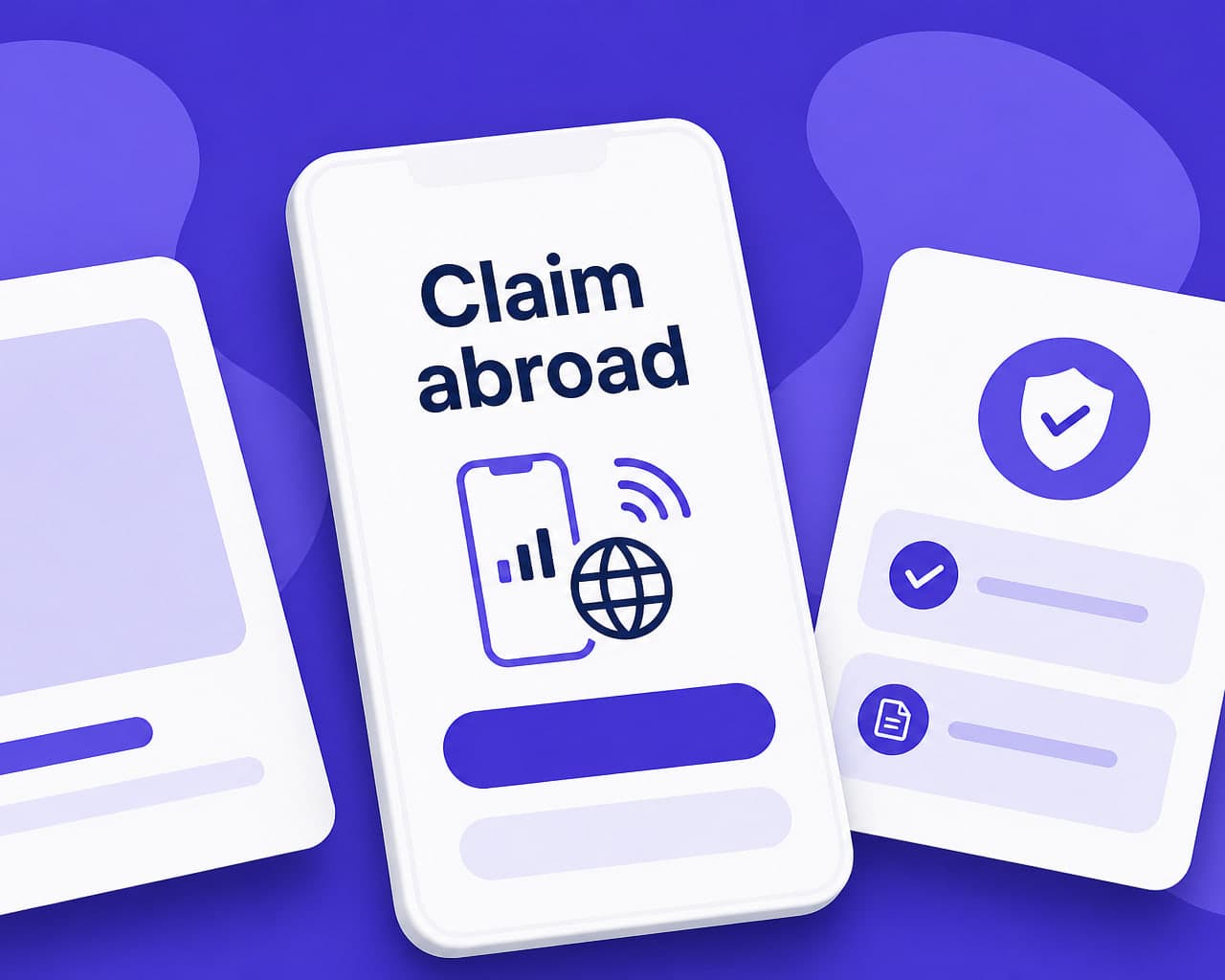
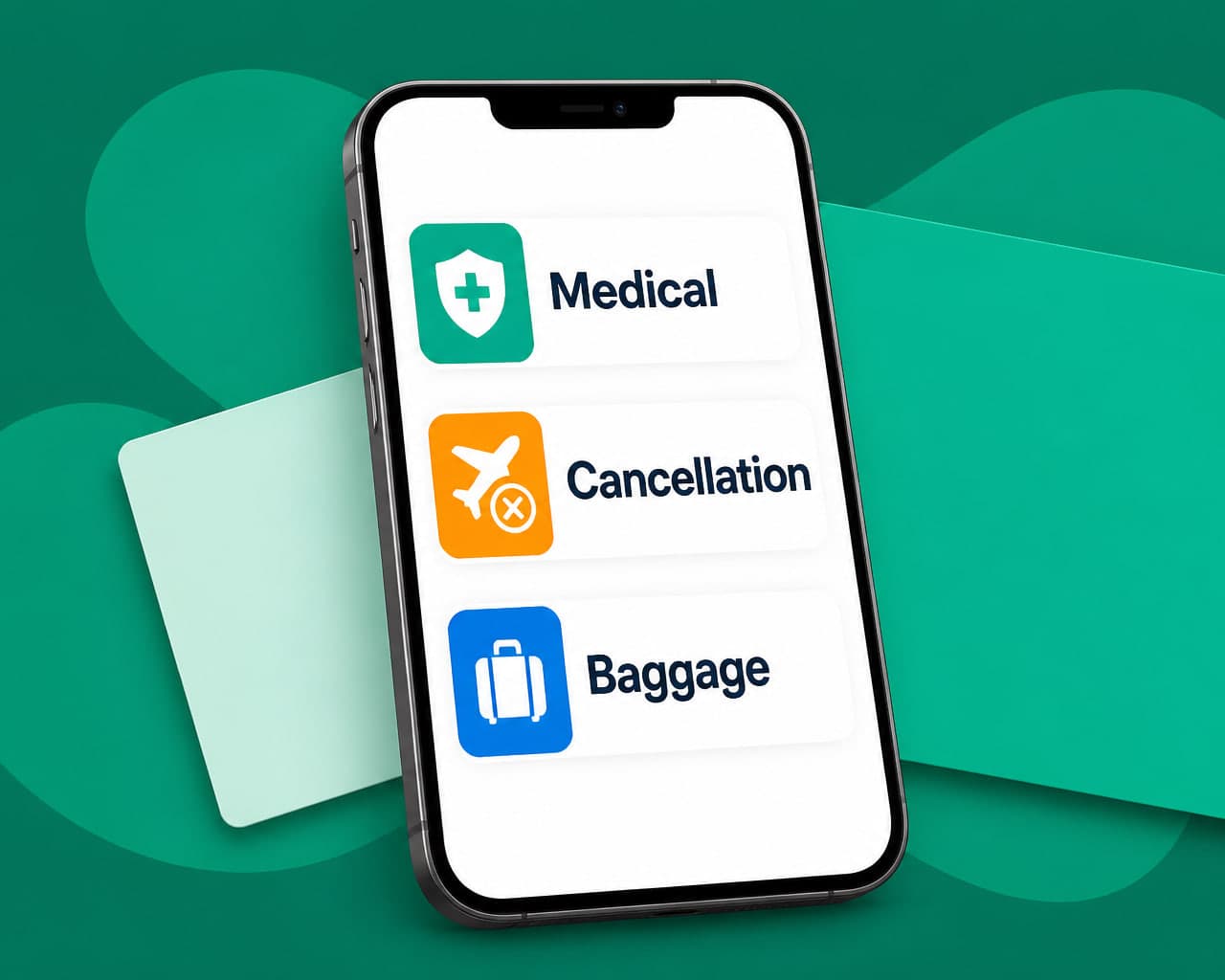
Quick answer — Travel content gets opened on a phone, abroad, on roaming data, by someone anxious. That single condition rules out most of the formats insurance defaults to, and it makes the wallet card and the app string more important than the policy document.
Vitra.ai Universe covers the app, image, document and video surfaces a trip needs.
The reading conditions decide the format
Every other line can assume a desk, a laptop and time. Travel assumes none of them. The customer is in an airport, a hospital or a police station, on a phone, possibly at two in the morning.
A forty-page PDF is technically available and practically useless. That is a format failure, not a translation one.
The format matrix
| Format | What it is in travel | What translation has to preserve |
|---|---|---|
| App strings | The primary surface — assume no laptop exists | Placeholders and very tight character limits |
| Image | Wallet card, emergency contact card | Legibility at screenshot size, numbers unchanged |
| Short web pages | What to do first, findable by search not login | Speed and structure on a slow connection |
| Policy summary, and the letter a hospital needs | Structure, and a version in the destination language | |
| Word | Guarantee-of-payment templates | Merge fields for patient, policy and limit |
| SMS and push | Assistance contact, claim status | Length, and a number that stays dialable |
| Video | First-hour guidance, thirty seconds | Subtitles, because roaming data means muted |
| Design files | Figma, Photoshop, Canva | Layers, so a card reissues per market quickly |
The wallet card is the most important asset
It is one image, it gets screenshotted, and it works offline. It carries the assistance number, the policy reference and one line about what to do.
Getting that single image right in every language your travellers buy in outperforms translating the whole policy, and image translation keeps the layout intact when the text expands.
The hospital document is in a third language
A guarantee-of-payment letter goes to a clinician in the destination country. Not your language, not necessarily the customer's. It is the only insurance document routinely needed in a language neither party to the contract speaks, and it is usually generated from a Word template with merge fields.
Weight matters
Every megabyte is a cost and a delay on roaming. A translated page carrying uncompressed images and a heavy font stack fails in exactly the situation it was written for.
Format decisions here are performance decisions, and the app itself goes through mobile app translation rather than a document workflow.
Where to start
The wallet card and the first-hour page, in the two languages your travellers buy in. Both are small, both work offline or nearly so, and both beat the policy PDF.
What a travel book can automate more broadly is in AI for travel insurers.
FAQ
Why is PDF the wrong format for travel insurance? Because the customer is on a phone abroad on expensive data, often at night and under stress. A forty-page PDF is technically available and practically useless, which is a format failure rather than a translation one.
What is the most important travel insurance asset to translate? The wallet card. It is one image, it gets screenshotted, it works offline, and it carries the assistance number and one line about what to do. Getting it right beats translating the whole policy.
Why does a travel insurer need documents in a third language? Because the guarantee-of-payment letter goes to a clinician in the destination country, who reads neither the insurer's language nor necessarily the customer's. It is generated from a template with merge fields.
Does page weight matter for travel insurance content? Yes. Every megabyte is a cost and a delay on roaming, so a translated page carrying uncompressed images and a heavy font stack fails in exactly the situation it was written for.