Quick answer — Travel insurance is bought at home and used somewhere else, often by someone stressed, in a different time zone, on roaming data. The content that matters is what works at the moment of the claim, not at the point of sale.
Vitra.ai Universe covers the app, document and video surfaces a trip touches.
The asymmetry that defines the line
Almost every other insurance product is bought and claimed in the same place. A traveller buys in their own language at home and then needs the policy in a hospital in a country neither of you planned for.
So the language question splits in two: the language the customer bought in, and the language the situation is happening in. They are rarely the same and the second one is not in your CRM.
What each capability does here
| Capability | For travel |
|---|---|
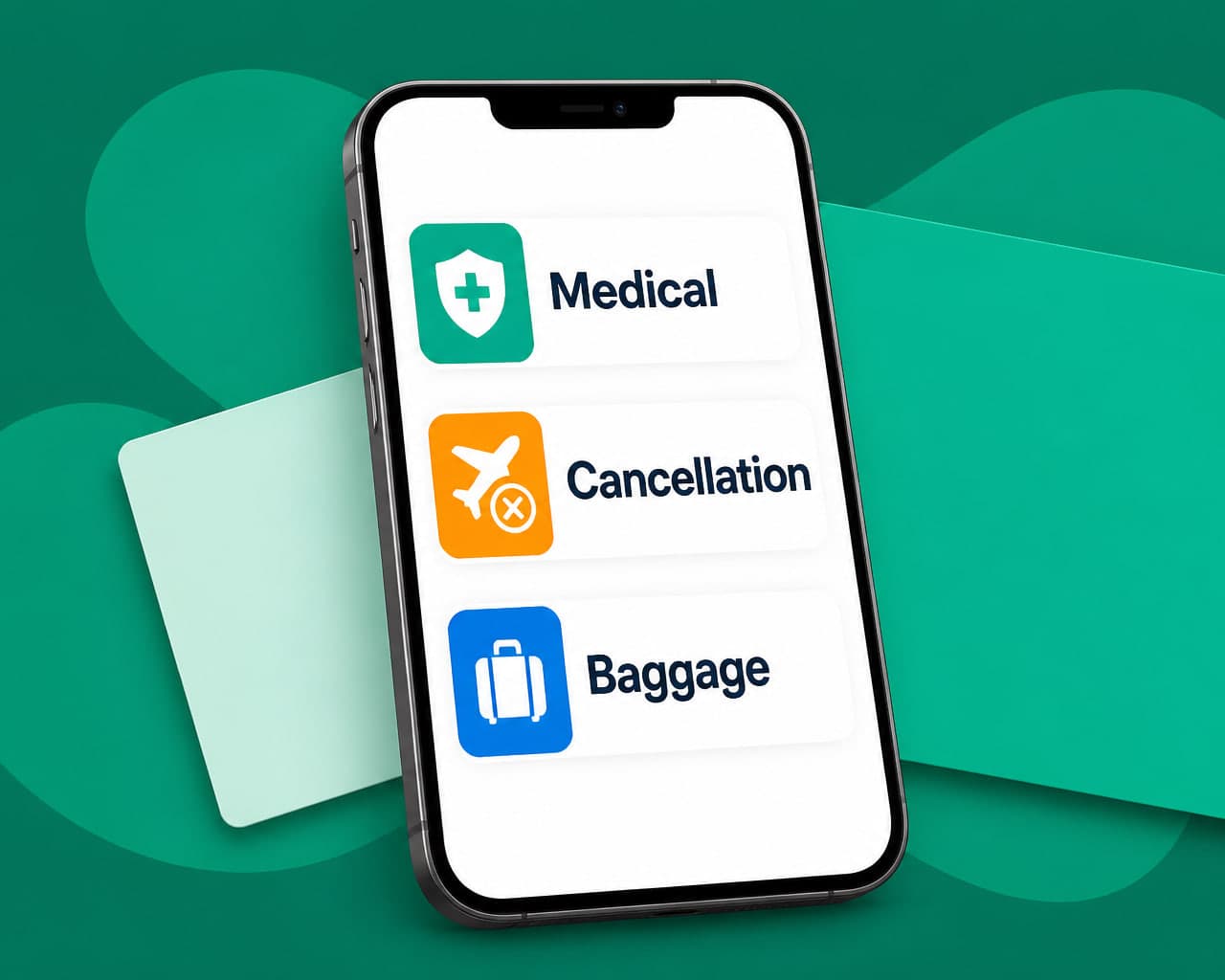
| Mobile app translation | The only surface that works abroad — assume no laptop |
| Document translation | Policy summary and the medical letter a foreign hospital needs |
| Website translation | Emergency assistance pages, which get searched not bookmarked |
| Video dubbing | What to do first, thirty seconds, watchable on roaming |
| Image translation | Wallet card and emergency-contact artwork |
| Video creation | Destination-specific guidance produced per market |
| Quality control | Destination imagery, which carries cultural risk |
| Translation memory | Cover levels and exclusions repeat across every product |
Assume the worst conditions
Everything in travel gets used on a phone, on expensive data, in a place with poor signal, by somebody who is anxious. That is a design constraint before it is a translation one.
Short beats complete. A page listing what to do in the first hour, translated, outperforms a comprehensive policy document in any language.
The hospital needs a document too
A traveller in a foreign hospital is not the only reader. The admitting clinician needs to know what is covered and who pays, and they read the local language — which may be neither the customer's nor yours.
A guarantee-of-payment letter that a hospital can actually read is a genuinely different translation requirement from anything else in insurance, and it belongs in the local language of the destination rather than the customer.
Cover is short, so content ages fast
A travel policy lasts two weeks. That sounds like it lowers the stakes; it actually raises the churn, because destination advice, entry requirements and exclusions change constantly and stale translated content is wrong content.
Freshness matters more here than durability.
Where to start
The first-hour instructions and the emergency contact route, in the two languages your travellers buy in — then the guarantee-of-payment letter in the three destinations you send the most people to.
Reading conditions decide the format, which is the whole of travel insurance translation.
For how travel compares with the other lines, see AI for insurance.
FAQ
What makes travel insurance different from other lines? It is bought in one place and claimed in another. The customer purchased in their own language at home and then needs the policy abroad, so the language of the purchase and the language of the situation are rarely the same.
Which travel insurance content matters most? The first-hour instructions and the emergency contact route. Everything gets used on a phone, on expensive data, by someone anxious, so short and translated beats comprehensive in any language.
Does a foreign hospital need translated documents too? Yes, and in a third language. The admitting clinician needs to know what is covered and who pays, and they read the local language of the destination - which is neither the customer's nor necessarily the insurer's.
Why does travel content go stale faster? Because destination advice, entry requirements and exclusions change constantly while a policy only lasts a couple of weeks. Freshness matters more here than the durability that dominates life or liability.