Quick answer — Emergency alerts cannot wait for translation during an incident, so the wording must be pre-translated as templates with variable fields. Character limits are severe, and the action has to survive when everything else is cut.
Vitra.ai Universe runs white-labelled, and on-premise where data cannot leave.
Translation during an incident is too late
An alert is useful for minutes. Any process that adds a translation step while the incident is running has already missed the window for the people who most needed it.
The only approach that works is having the language versions ready before anything happens.
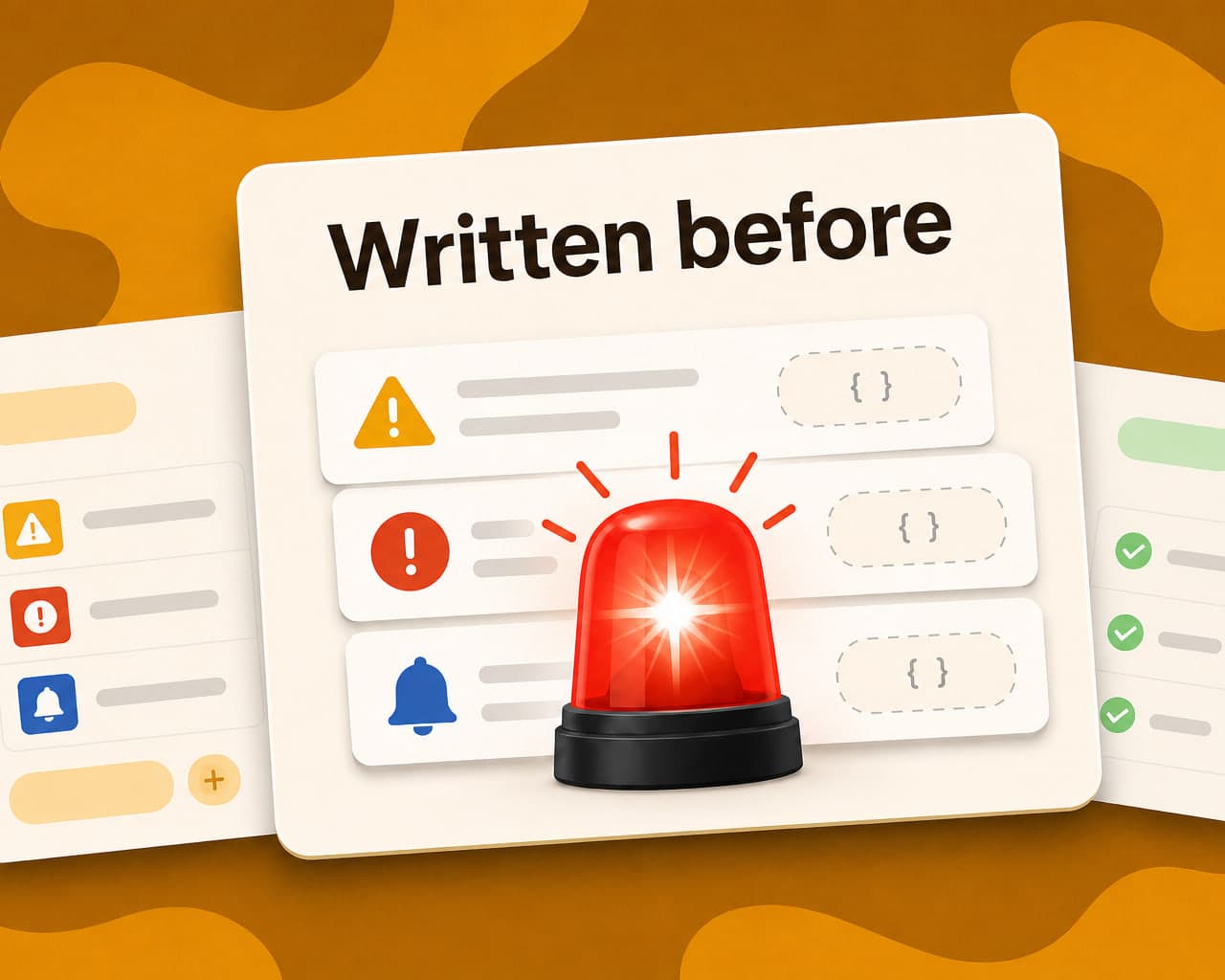
Templates with variables
Most alerts are variations on a small number of situations, and the variable part is usually a place, a time and an instruction.
| Element | Treatment |
|---|---|
| Situation type | Pre-translated template |
| Area or location | Variable, from a pre-translated list |
| Action required | Pre-translated, short, imperative |
| Time or duration | Variable, formatted per language |
| Where to get more information | Pre-translated, fixed |
| Severity wording | Pre-translated, graded consistently |
Place names deserve their own preparation. They appear constantly, they are the part people scan for, and deciding their rendering in advance removes the one element most likely to be improvised badly under pressure.
The character limit shapes everything
Alert channels impose hard limits, and translated text expands. That means the source has to be written short enough that every language fits, not short enough that English fits. Writing to the tightest language and letting the others have slack is the only version that works in practice. When something must be cut, the action survives. A resident who reads only what to do is served. One who reads only what happened is not.
Grading has to be consistent
Words indicating severity — advisory, warning, immediate action — need one agreed equivalent per language, applied the same way every time.
If severity wording varies between alerts, residents cannot calibrate, and the next alert is discounted. That is a terminology decision made once, pinned in translation memory, rather than a wording choice made during an incident.
Test the whole chain
Send test alerts in every offered language through the actual channels, including the ones with the tightest limits.
Truncation, character-set failures and a template that silently fell back to the default language are all found this way and not otherwise. Run it periodically, because channels change. Alerting platforms update, carrier rules change, and a template that worked last year can start truncating without anyone touching it. A quarterly test in every language is a small standing cost against a failure that only shows up when it matters most.
Delivery
The templates and their variable lists belong in one place, with quality control checking every language version rather than a sample, and the whole set kept consistent with the public announcements that follow an incident.
Where the alerting system cannot send data outside your estate, the translation component can run on-premise, and the resident-facing channel can carry your own identity through white-label delivery. Pre-building the language versions is automated content production.
FAQ
Can emergency alerts be translated during an incident? No. An alert is useful for minutes, so any process adding translation while the incident runs has already missed the window. The language versions have to exist beforehand.
How do pre-translated alert templates work? Most alerts vary only in place, time and instruction, so the situation wording, the action and the severity terms are pre-translated and the variables are inserted from pre-translated lists.
How do character limits affect alert wording? The source has to be short enough that every language fits within the limit, not short enough that the source language fits. When something must be cut, the required action is what survives.
Why does severity wording need fixing in advance? Because if severity terms vary between alerts, residents cannot calibrate and the next alert is discounted. One agreed equivalent per language, pinned, prevents improvisation under pressure.