Quick answer — TTX is TagEditor's bilingual XML format from older Trados versions. It holds source and target segments together with the original document's formatting as tags, and the segmentation and tag pairs are what must survive.
A bilingual file, not a source file
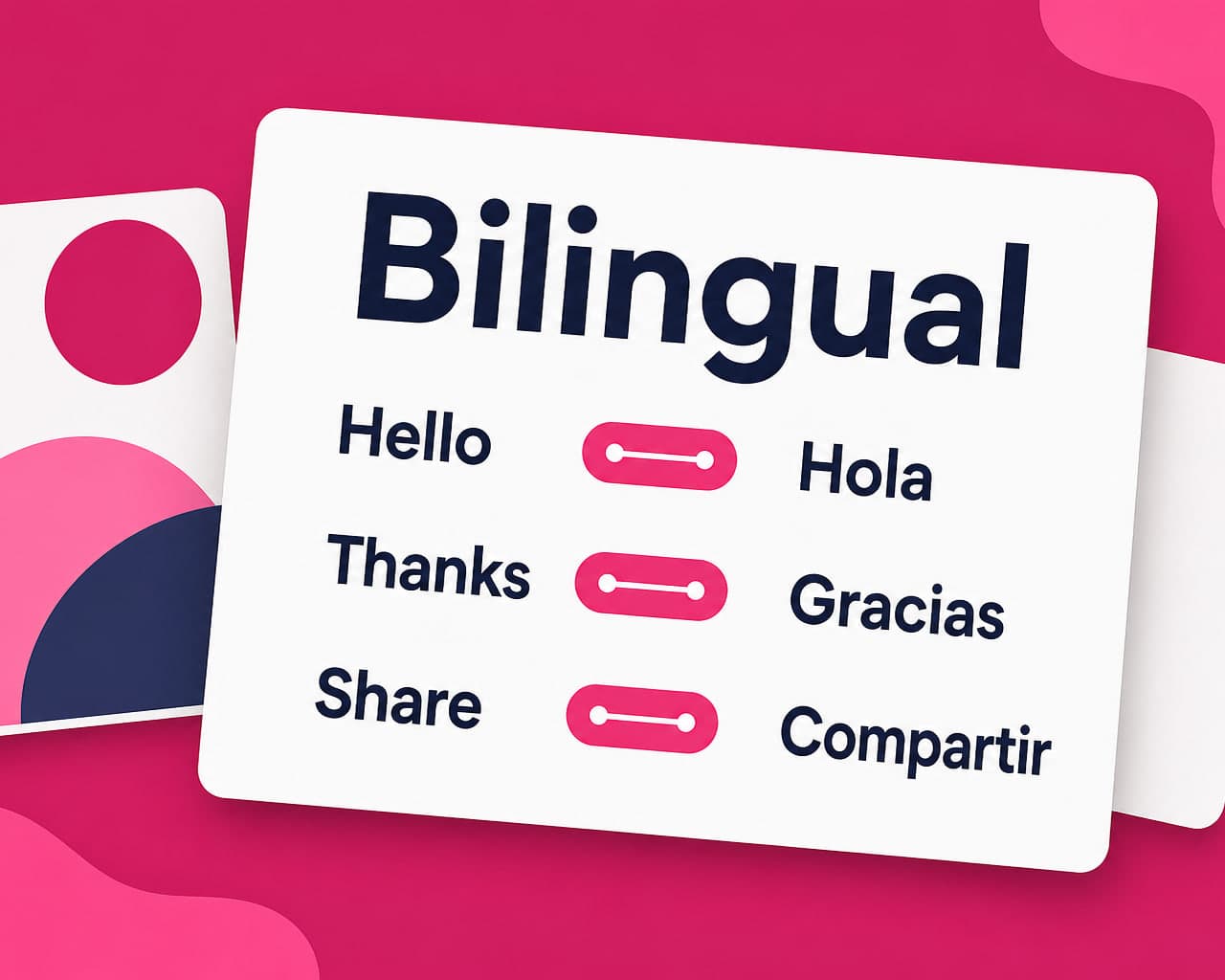
A TTX is not the document. It is the document converted into segments, each holding the source text and a slot for the target, with the original formatting represented as inline tags. That means two things. The segmentation was decided when the file was created and should not be changed, and the tags carry the formatting that will be restored when the file is converted back.
Tags are formatting, and they are paired
Inline tags mark bold, italic, links and field codes. Most come in pairs surrounding the text they affect. Drop one, reorder them incorrectly, or leave one unclosed and the conversion back to the original format fails or produces mangled formatting. A translation that reads perfectly and has lost a closing tag is a broken deliverable.
Tag placement also has to make sense for the target language: the words a tag wraps may sit in a different position in the sentence.
Segmentation is fixed
Segments were split by the rules in place when the file was prepared. Merging or splitting them inside the TTX breaks the alignment the file depends on.
If a target language genuinely needs a different sentence structure, the translation is written within the existing segment boundaries rather than restructured across them.
Why you might still receive one
TTX belongs to an older Trados generation and has been superseded, but documentation sets and translation vendors carry long tails. A client on a legacy toolchain, or an archive being revived, still produces them.
Treat it as an interchange format to process and return rather than a format to adopt.
What it contains beyond text
Segment status flags marking whether a segment is untranslated, draft or confirmed, and match percentages from the memory that pre-populated it. Those are metadata about the translation process and should be updated rather than translated.
The memory is the real asset
A TTX carries the output of a memory rather than the memory itself. If you are receiving these regularly, the more valuable conversation is about getting the memory in a standard exchange format, because that is the thing with lasting value.
translation memory is where an owned memory lives, and it is what makes the next project cheaper rather than the current one.
document translation handles the file and quality control verifies tag integrity before return.
Setup notes are on the TTX translation integration page.
Returning the file correctly
The deliverable is the TTX with target segments populated, not a converted document. Converting it to Word and sending that back is a common mistake and it discards the segmentation and tags the client's toolchain depends on.
Confirm the expected return format before starting. It is a two-line email that prevents a rejected delivery.
Match percentages are information
A TTX pre-populated from a memory carries match rates per segment. High matches usually need confirming rather than translating, and low ones are the real work.
Reading those before starting tells you the true size of a job, which is often a fraction of the word count in the file.
Where to start
Convert one file back to its original format before translating the set. If the round trip works cleanly, the tags are being handled correctly.
FAQ
What is a TTX file? TagEditor's bilingual XML format from older Trados versions. It holds source and target segments together with the original document's formatting represented as inline tags.
What breaks most often in a TTX? Tags. Most are paired around the text they affect, so dropping one or leaving it unclosed makes the conversion back to the original format fail or produce mangled formatting, even when the translation reads perfectly.
Can segments be merged or split? No. Segmentation was decided when the file was prepared and the file's alignment depends on it, so a target language needing different sentence structure is handled within the existing boundaries.
Should TTX be adopted as a working format? No, treat it as interchange. It belongs to an older Trados generation, and if you receive them regularly the more valuable conversation is about obtaining the translation memory in a standard exchange format.