
Quick answer — Most retail localization programmes cover the website and stop. The customer carries on into email, the app, the store and after-sales, and the language usually stops with the storefront.
The journey does not end at checkout
A retailer translates its product pages, sees conversion improve, and declares the project finished. Then the order confirmation arrives in English, the delivery notification is in English, and the returns portal is in English. The customer who was persuaded in one language is being served in another, and the point at which that happens is the point at which the retention argument falls apart. Fixing it is not another translation project, because those messages are templated: the same forty notifications carry almost the whole post-purchase experience.
Where AI genuinely changes retail
Product content at catalogue scale, seasonal campaign variants, in-store signage, and the transactional messages nobody thinks of as content. Volume, repetition and short shelf life in every case, which is what website translation and templated messaging handle best.
Search is the underrated one
A shopper searching in their own language finds nothing if the catalogue is indexed in English, and multilingual product pages are what fix that. Translation and discoverability are the same project in retail, which is not true in most industries.
Physical retail is content too
Shelf-edge labels, promotional signage, wayfinding, receipts. A chain operating across language regions produces enormous volumes of print that no localization programme owns.
image translation covers the artwork side, which is most of it.
Making the pictures, not only translating them
Retail runs on imagery it has to produce continuously — a new range, a new promotion, a new season — and that production is where most of the budget actually goes.
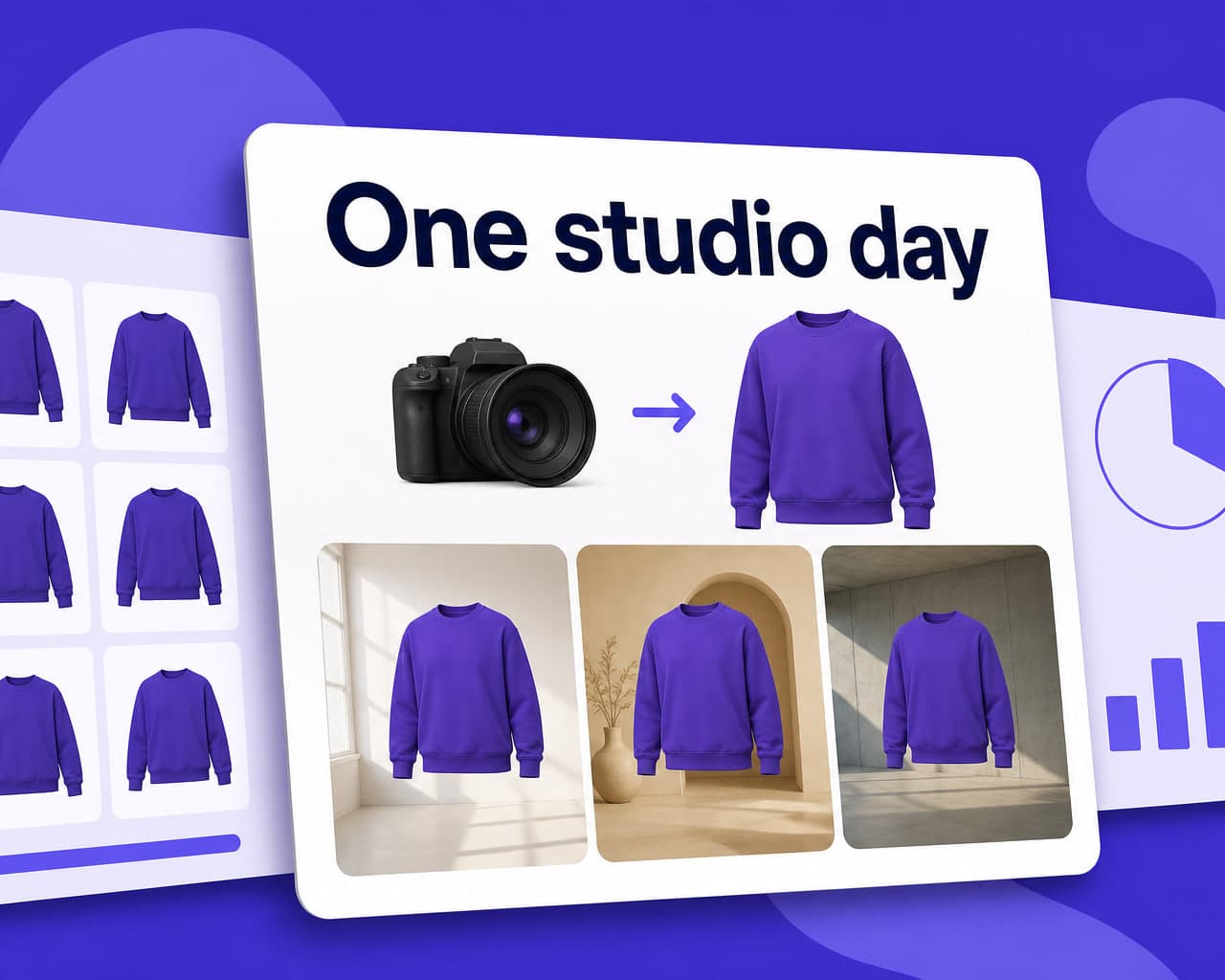
The same split applies. Fashion product photography needs a camera once per style and builds the colourways from it, lifestyle shots put a real product into a built room, and catalog photography is a consistency problem rather than a creative one.
Video is the same argument. Shoppable video comes out of stills and product copy rather than a shoot.
Where to start
Post-purchase messaging, because it is templated, high-volume and already failing.
Storefront translation covers the web side; formats are in retail translation.
Whether it pays is answered in multilingual retail conversion.
FAQ
Where do retail localization programmes usually stop? At the website. Product pages get translated, conversion improves, and then order confirmations, delivery notifications and the returns portal all arrive in English.
Why is post-purchase messaging the best starting point? Because it is templated. The same forty notifications carry almost the entire post-purchase experience, so translating them once covers a very large share of customer contact.
How are translation and search connected in retail? They are the same project. A shopper searching in their own language finds nothing if the catalogue is indexed in English, which is not true in most industries but is decisive here.
Is physical retail signage part of localization? It should be. Shelf-edge labels, promotional signage, wayfinding and receipts represent enormous print volumes across language regions, and no localization programme usually owns them.