Pharmacovigilance Translation and Case Narratives
Adverse event reports arrive in the reporter's language, on a regulatory clock. What has to be translated, how fast, and what must never be paraphrased.

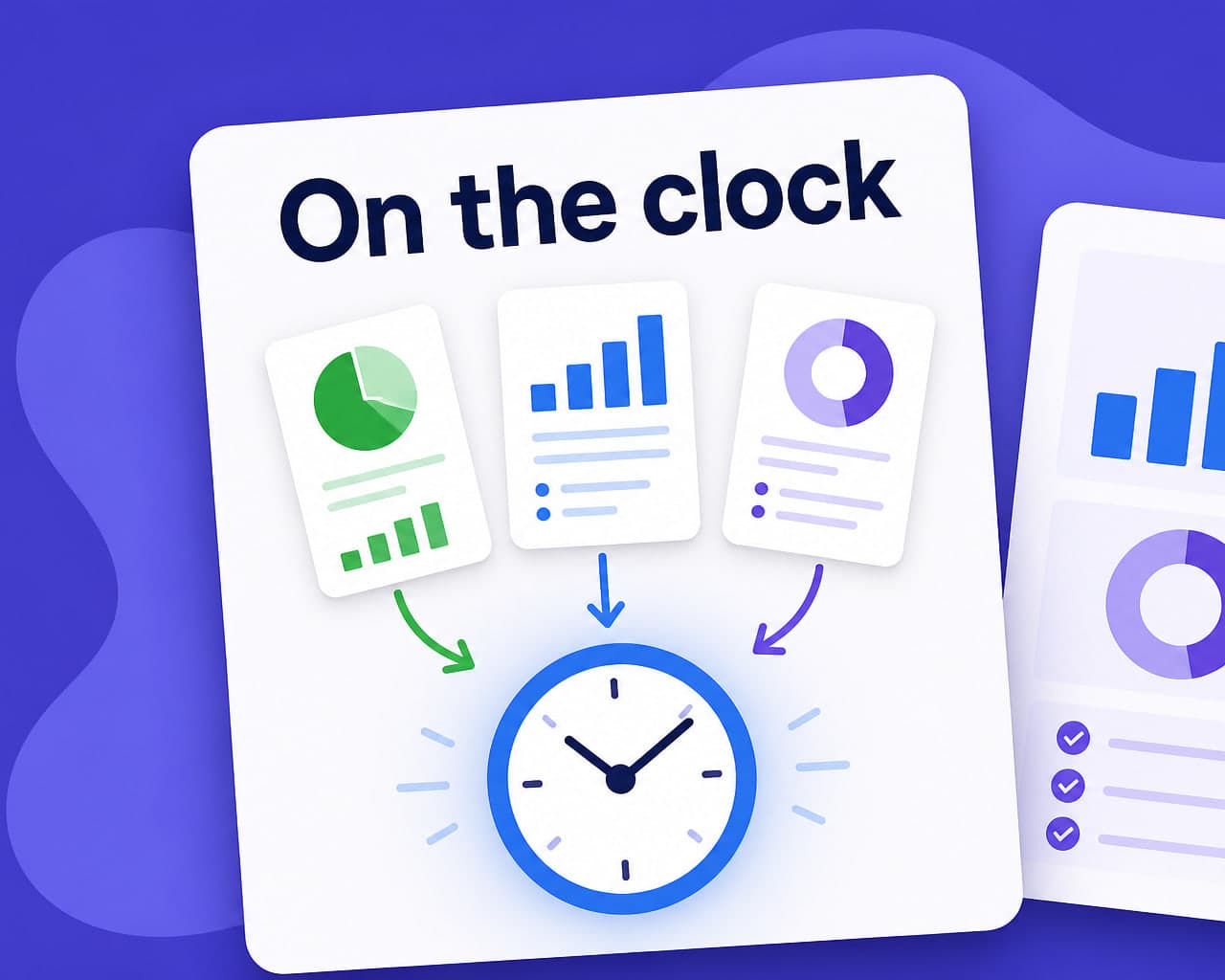
Quick answer — Adverse event reports arrive in local languages and must be processed within regulatory reporting timelines. Case narratives need translating for assessment; coded terms are looked up rather than translated.
Vitra.ai Universe keeps the audit trail with the translation.
The clock starts when the case arrives
Pharmacovigilance runs to fixed reporting timelines, and a case reported in Portuguese to a local affiliate still has to be assessed and reported within them.
So translation here is not a project with a deadline. It is a step inside a process that already has one, and turnaround matters more than in any other document class in this article set.
What gets translated, and what does not
| Element | Handling |
|---|---|
| Case narrative | Translated, carefully |
| Reporter's verbatim term | Translated, and the original kept |
| Coded event terms | Looked up in the dictionary's own translations |
| Concomitant medication names | Mapped, not translated |
| Dates and dosages | Normalised, never paraphrased |
| Causality assessment | Translated, with hedging preserved |
Keeping the verbatim term alongside its translation matters. Coding is done from what the reporter actually said, and a translation that tidies "my heart was racing" into a clinical term has made a coding decision that belongs to a coder.
Do not tidy the narrative
The instinct to improve a rambling, contradictory account is exactly wrong here.
Narratives contain uncertainty, hedging and sequence problems that are themselves information. A translator who resolves an ambiguity has removed evidence that the assessor needed, and the assessor has no way to know it was removed.
Preserve hedging, preserve the sequence as reported, and flag ambiguity rather than deciding it.
Speed without losing the record
Document translation handles the intake at the pace the timelines demand, and translation memory carries the coded terminology so it resolves identically every time rather than being re-decided per case.
Quality control runs the checks on the output — proofreading plus a back-translation comparison on the narrative, which is where a dropped negation or a shifted time relation changes the case.
Keep every version. Pharmacovigilance records are inspected, and the question is what was known, when, and in what form — which means the original-language report, the translation, and who produced it all have to remain retrievable. Drug safety physicians make the assessment. The translation exists to put the case in front of them accurately and quickly, and to be defensible afterwards.
FAQ
Do adverse event narratives need translating? Yes, for assessment, and within the same regulatory reporting timelines that apply to the case. Turnaround matters more here than in most document classes because the clock is already running.
Should the reporter's original wording be kept? Always, alongside the translation. Coding is done from what the reporter actually said, so a translation that converts a lay description into a clinical term has made a coding decision on someone else's behalf.
Should a confusing case narrative be tidied up in translation? No. Hedging, uncertainty and sequence problems are information the assessor needs. Resolving an ambiguity removes evidence, and the assessor has no way of knowing it was removed.
What records need to be kept? The original-language report, the translation, the version history and who produced it. Inspections ask what was known and when, which requires every stage to remain retrievable.
Our blog
Lastest blog posts
Tool and strategies modern teams need to help their companies grow.
Automotive
Automotive Brochure Localization by Market
A car brochure is a spec grid, a legal footer and a photo library, all market-specific. What actually has to change, and why the layout decides the schedule.

Automotive
Automotive Campaign Localization Across Markets
Campaigns run through national companies and dealer networks, so one master becomes hundreds of files. Where the offer text and the disclaimers actually break.
Automotive
Car Service Manual Translation for Technicians
A workshop manual is read mid-repair by someone with the car on a lift. What that demands of procedures, torque figures and fault codes, in every language.