Quick answer — NDAs and engagement letters are high-volume, low-attention documents, which is why translation errors survive in them. Build them from approved bilingual templates rather than translating each one, and keep the variable fields separate.
Vitra.ai Universe keeps terminology fixed and every change traceable.
High volume, low attention
A firm signs many of these and reads few of them closely, because they are assumed to be standard. That assumption is what lets a translation error live in a template for years, appearing in every matter it touches. The risk is not that any one document is mistranslated badly. It is that a small error is replicated hundreds of times.
Build templates, do not translate documents
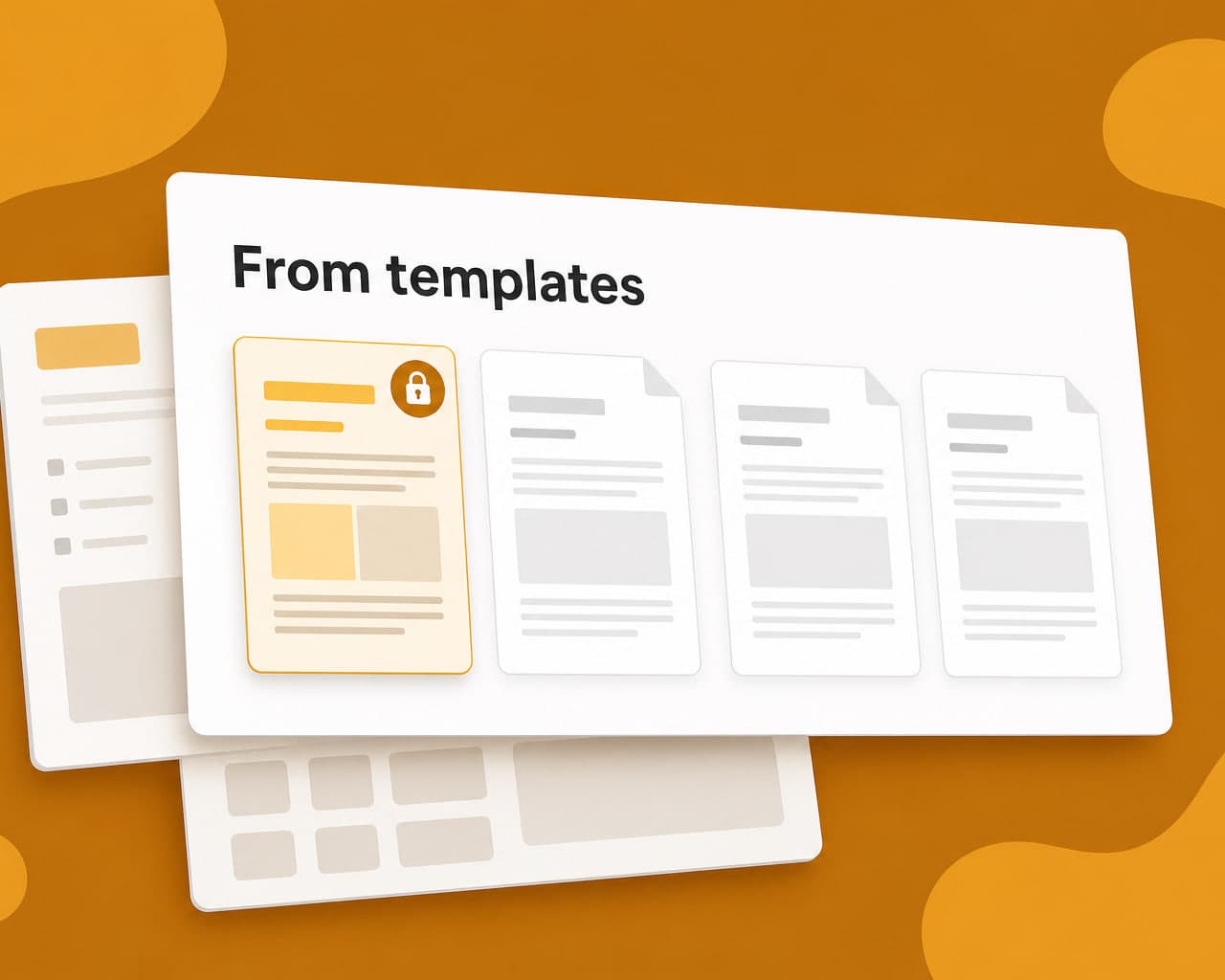
The workable model is an approved bilingual template per market, with the variable elements held as fields.
| Element | Treatment |
|---|---|
| Standard clauses | Approved template, translated once |
| Defined terms | Fixed, pinned, never re-derived |
| Parties and dates | Fields |
| Scope of work | Drafted per matter |
| Fee arrangements | Local, and locally reviewed |
| Governing law and forum | Local decision, not a translation |
Once the template is approved, a new engagement is an assembly job rather than a translation job. That is faster, cheaper and — the important part — repeatable, because the wording under review is the wording that was approved.
Where standard wording stops being standard
Confidentiality carve-outs, duration, remedies and post-termination obligations are the clauses whose enforceability varies most.
A confidentiality period that is ordinary in one market may be unenforceable in another, and a clause translated cleanly across still says something that will not hold. That is a local legal question rather than a linguistic one, and it is the reason a template needs local approval rather than translation approval.
Fee and scope wording carries professional-conduct requirements in many places too, which vary by regulator.
The confidentiality problem is practical, not theoretical
An NDA is often the first document exchanged, before any information barrier exists, and translating it through an uncontrolled route can undermine the protection being negotiated.
Where a firm has obligations about where client material may be processed, data residency and on-premise processing are the practical answers, with air-gapped handling for the most restricted matters. There is more on that decision in machine translation in legal work.
Running it
Keep the approved templates and their term list in translation memory so no version drifts, use document translation so numbering and formatting survive assembly, and let quality control check that a generated document matches the approved template rather than a near-match of it. Where processing location is itself a client obligation, see private AI deployment.
FAQ
Why are NDAs and engagement letters risky to translate? Because they are signed in volume and read closely by almost nobody. A single error in a template is replicated across every matter that uses it, which is worse than a bad translation of one document.
What is better than translating each document? An approved bilingual template per market with variable elements held as fields. A new engagement then becomes an assembly job, so the wording under review is always the wording that was approved.
Which clauses need local legal review? Confidentiality carve-outs, duration, remedies, post-termination obligations, and fee and scope wording. Enforceability and professional-conduct requirements vary, so a clean translation can still say something that will not hold.
What about confidentiality during translation? It is a practical concern, since an NDA is often exchanged before any information barrier exists. Where a firm has obligations about where material is processed, on-premise or air-gapped handling is the answer.