Quick answer — Insurance website translation in the EU answers to the Insurance Distribution Directive, which requires pre-contractual information in an official language of the member state where the risk sits. The standardised product information document is where that lands, and accessibility rules apply on top.
Vitra.ai Universe covers the document and web surfaces this touches.
Language is written into the directive
Unlike most sectors, insurance in the EU does not leave language to commercial judgement. The Insurance Distribution Directive frames pre-contractual information as something the customer must receive in an official language of the member state of the risk — with limited scope to agree otherwise.
That makes this a compliance question rather than a marketing one, and it changes who owns the budget.
The IPID is where it becomes concrete
The standardised insurance product information document exists precisely so that customers can compare products and understand them. It is short, it has a prescribed structure, and it is designed to be read.
| Surface | Why it is in scope |
|---|---|
| Product information document | Prescribed format, built for comprehension |
| Pre-contractual information | Named in the directive |
| Policy terms and exclusions | What a claim is decided against |
| Complaints and ombudsman routes | Member-state specific, and consequential |
| Marketing pages | Fewer hard obligations, still under fair-and-clear rules |
A document designed to be compared is a document designed to be read, which makes it far harder to satisfy with an approximate translation than a paragraph buried in terms.
Accessibility sits alongside it
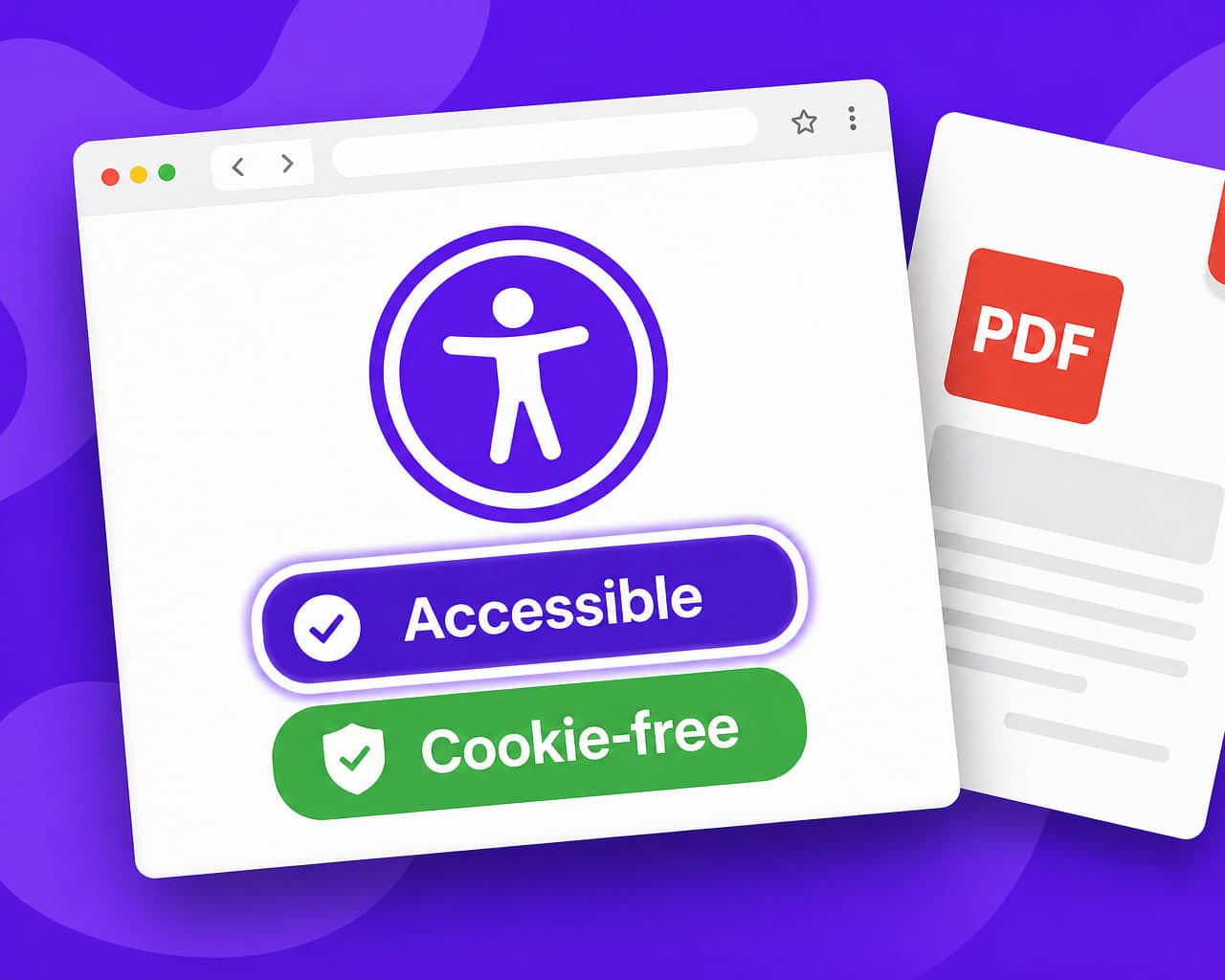
The European Accessibility Act has applied since 28 June 2025 and reaches consumer-facing digital services. It is a separate obligation from language, and the two meet at the language attribute: a page translated visually but still declaring English makes a screen reader pronounce the new language with English phonetics.
The commonly missed surface is the linked PDF. Insurers publish more PDFs than almost anyone, and an untagged one fails accessibility in every language at once. Document translation that keeps structure gives assistive technology something to navigate.
Twenty-four languages is not the requirement
The obligation attaches to the member state where the risk is located, not to the Union. An insurer writing business in four countries has four answers, and sequencing by where you actually underwrite is both cheaper and more defensible than a full-coverage sweep.
The build order is the same as everywhere else, and the checklist has it. Keeping four markets from drifting into four glossaries is what translation memory is for.
Where this article stops
Whether a specific obligation applies to your distribution model, and what each member state layers on top, is a legal question. IDD is a directive, so it lands through national law and the detail genuinely varies.
Where to start
Take the product information document for the line you write most, in the two member states you write most of it in. It is short, prescribed, and the single most-read document you publish.
FAQ
Does the EU require insurance information in local languages? The Insurance Distribution Directive frames pre-contractual information as something the customer receives in an official language of the member state of the risk, with limited scope to agree otherwise.
What is the IPID and why does it matter for translation? The standardised insurance product information document. It has a prescribed structure and exists so customers can compare and understand products, which makes an approximate translation much easier to spot.
Do EU insurers need to publish in all 24 official languages? No. The obligation attaches to the member state where the risk is located, so an insurer writing business in four countries has four answers rather than twenty-four.
What accessibility surface do insurers most often miss? Linked PDFs. Insurers publish more documents than almost anyone, and an untagged PDF fails accessibility in every language at once, translated or not.