Quick answer — Staff training splits into central process content that translates well and locally specific procedure that should be authored locally. Assessment questions need review, and the completion record has to show which version was taken.
Vitra.ai Universe runs white-labelled, and on-premise where data cannot leave.
Inconsistent training becomes inconsistent decisions
Where staff across regions make decisions about the same service, differences in what they were taught show up as differences in what residents receive.
That makes training translation a fairness question as well as an operational one, and it is usually invisible until someone compares outcomes by area.
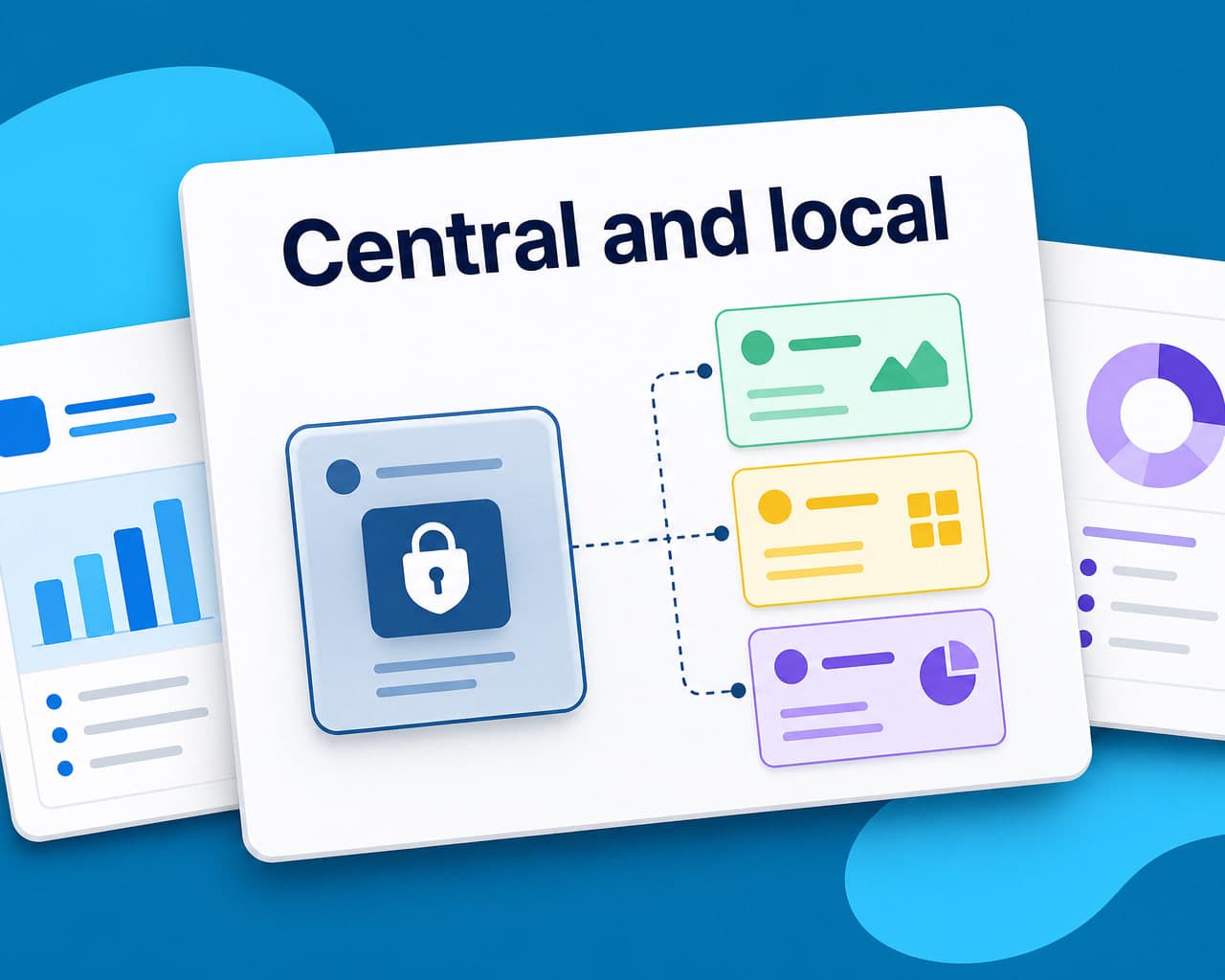
Split it before translating
| Content | Origin | Treatment |
|---|---|---|
| Process and system training | Central | Translate |
| Policy background | Central | Translate |
| Local procedure and escalation | Local | Author locally |
| Local partner organisations | Local | Author locally |
| Scenarios and casework examples | Central, adapted | Adapt |
| Assessment | Both | Translate with review |
Local procedure written by the people who follow it beats a translation of another region's version, because the differences are real rather than presentational.
Scenarios need adapting rather than translating, since a case that is typical in one area may be rare in another, and recognition is the point.
Serving the public in another language
Where staff deal with residents who speak other languages, training should cover how to work with interpreters, when to offer translated material, and what to do when no interpreter is available.
That last one is the gap in most training. Staff meet it regularly, and a practical answer — what to say, what to write down, what to arrange — is worth more than a policy statement about language access.
Assessment and record keeping
A question translated literally can become ambiguous or reveal its answer, and a distractor that is no longer plausible turns a test into a formality, so questions deserve review separately from the module.
The completion record should show the version and language each person took, including when a module was updated mid-year, since some staff will have taken the earlier version. That record is what answers a question about why two areas decided the same case differently. Without it, the answer is a guess about training rather than a fact about it. Capturing version and language at the point of completion costs nothing and cannot be reconstructed later.
Production
On-screen text and diagrams need image translation rather than a subtitle pass, and narration goes through video dubbing or captions depending on how staff consume it — the same production discipline as any compliance training.
Translation memory keeps service names identical to the public-facing content, so staff and residents use the same words. Where training material or staff data cannot leave your estate, the platform runs on-premise and can appear white-labelled as your own service.
FAQ
Why does staff training translation matter for fairness? Because differences in what staff were taught show up as differences in what residents receive, and that is usually invisible until someone compares outcomes by area.
What should be authored locally rather than translated? Local procedure, escalation routes and local partner organisations. Written by the people who follow them, since the differences between areas are real rather than presentational.
What is usually missing from language-access training? What to do when no interpreter is available. Staff meet that situation regularly, and a practical answer is worth more than a policy statement about language access.
What should the training record capture? The version and language each person completed, including when a module changed mid-year, because some staff will have taken the earlier version and some the later one.