Quick answer — Compliance training splits into global principles and local obligations, and only the first should be translated. Assessment questions need careful review, and the completion record has to show which language version each person took.
Vitra.ai Universe keeps terminology fixed and every change traceable.
A record is not a control
The point of compliance training is that people understand what is expected. A completion record in a language someone struggled through evidences attendance rather than understanding.
That distinction matters when the training is later relied on, and it is the argument for doing this properly rather than minimally.
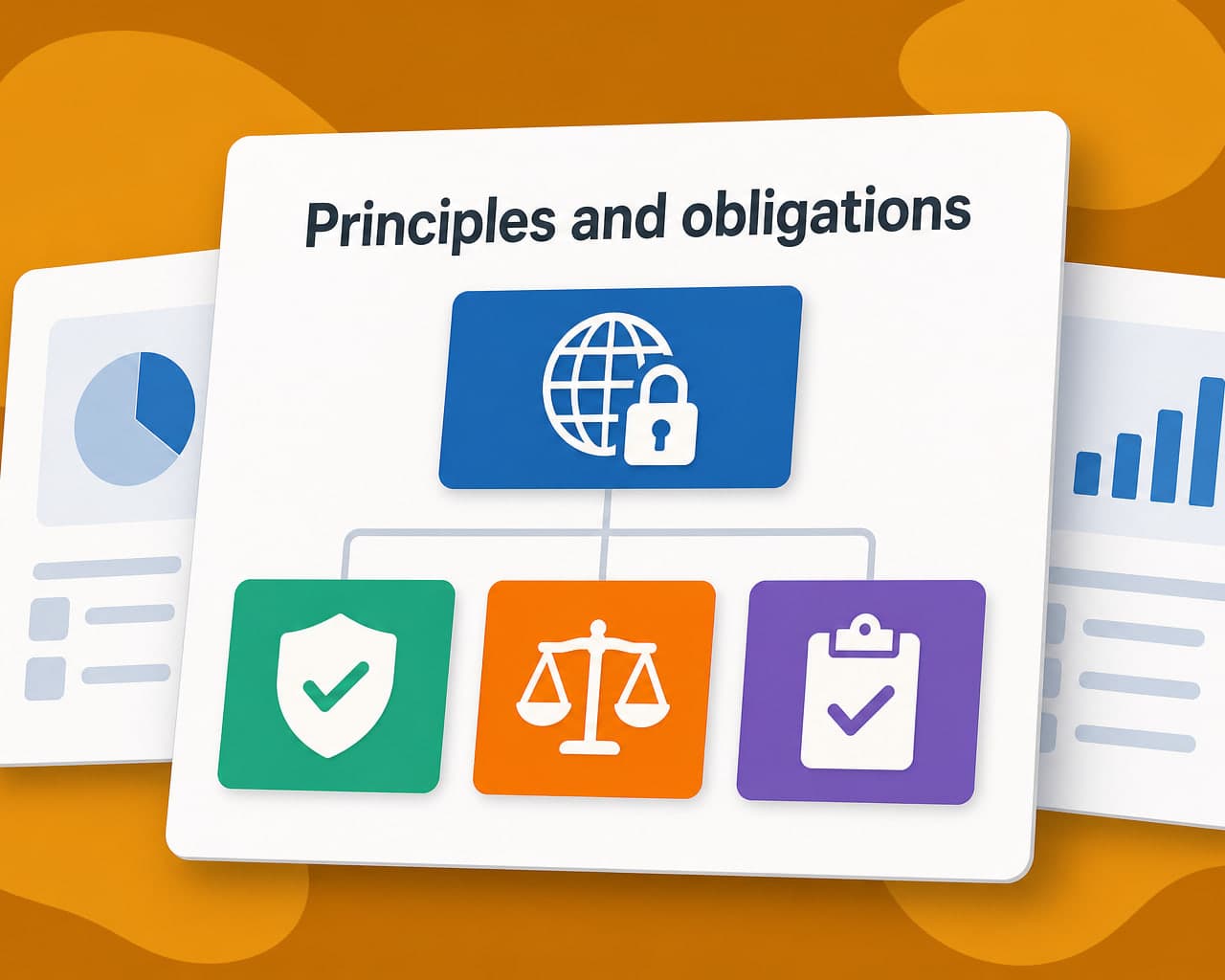
Split global from local
| Content | Origin | Translated? |
|---|---|---|
| Principles and firm policy | Central | Yes |
| Scenarios and examples | Central, adapted | Adapted, not translated |
| Local legal obligations | Local | Authored locally |
| Reporting routes and contacts | Local | Authored locally |
| Assessment questions | Both | Translated with review |
| Attestation wording | Local | Reviewed locally |
Local obligations should be written by someone who knows them rather than translated from another market's module, because the requirements genuinely differ and a translated approximation is worse than a short accurate section.
Scenarios usually need adapting rather than translating. A situation that reads as a clear red flag in one market may be unremarkable in another, and the point of a scenario is recognition.
Assessment questions need review
A question translated literally can become ambiguous, or can give away its answer through phrasing that was neutral in the source.
Both failures are invisible in a quality read and obvious in the results data, so it is worth reviewing questions specifically rather than as part of the module. Distractor options need the same attention, since a distractor that is no longer plausible turns a test into a formality.
Attestation and evidence
Where training ends in an attestation, the wording is a local matter and the record needs to show which language version the person completed.
That sounds administrative until a regulator asks, at which point it is the whole answer. Keeping the version, language and date attached to each completion is cheap in advance and impossible to reconstruct later. The same applies when a module is updated mid-year, because some staff will have taken the old version and some the new. Recording which is the difference between a defensible training record and a list of names.
Production
Most of this is video and interactive content, so on-screen text and diagrams need image translation rather than a subtitle pass, and narration goes through video dubbing or subtitles depending on how staff consume it.
Translation memory keeps policy wording identical to the firm's glossary and its published policies, and quality control checks that before a module reaches the network — the same production discipline as any compliance training video.
FAQ
What should be translated in compliance training? Global principles and firm policy. Local legal obligations, reporting routes and attestation wording should be written locally, because a translated approximation of a local requirement is worse than a short accurate section.
Should scenarios be translated or adapted? Adapted. A situation that reads as an obvious red flag in one market may be unremarkable in another, and the purpose of a scenario is recognition rather than illustration.
Why do assessment questions need separate review? Because a literal translation can turn a question ambiguous or reveal its answer through phrasing, and a distractor that is no longer plausible turns the test into a formality.
What does the completion record need to show? Which language version each person completed, with the version and date attached. That is cheap to capture in advance and impossible to reconstruct when a regulator asks.