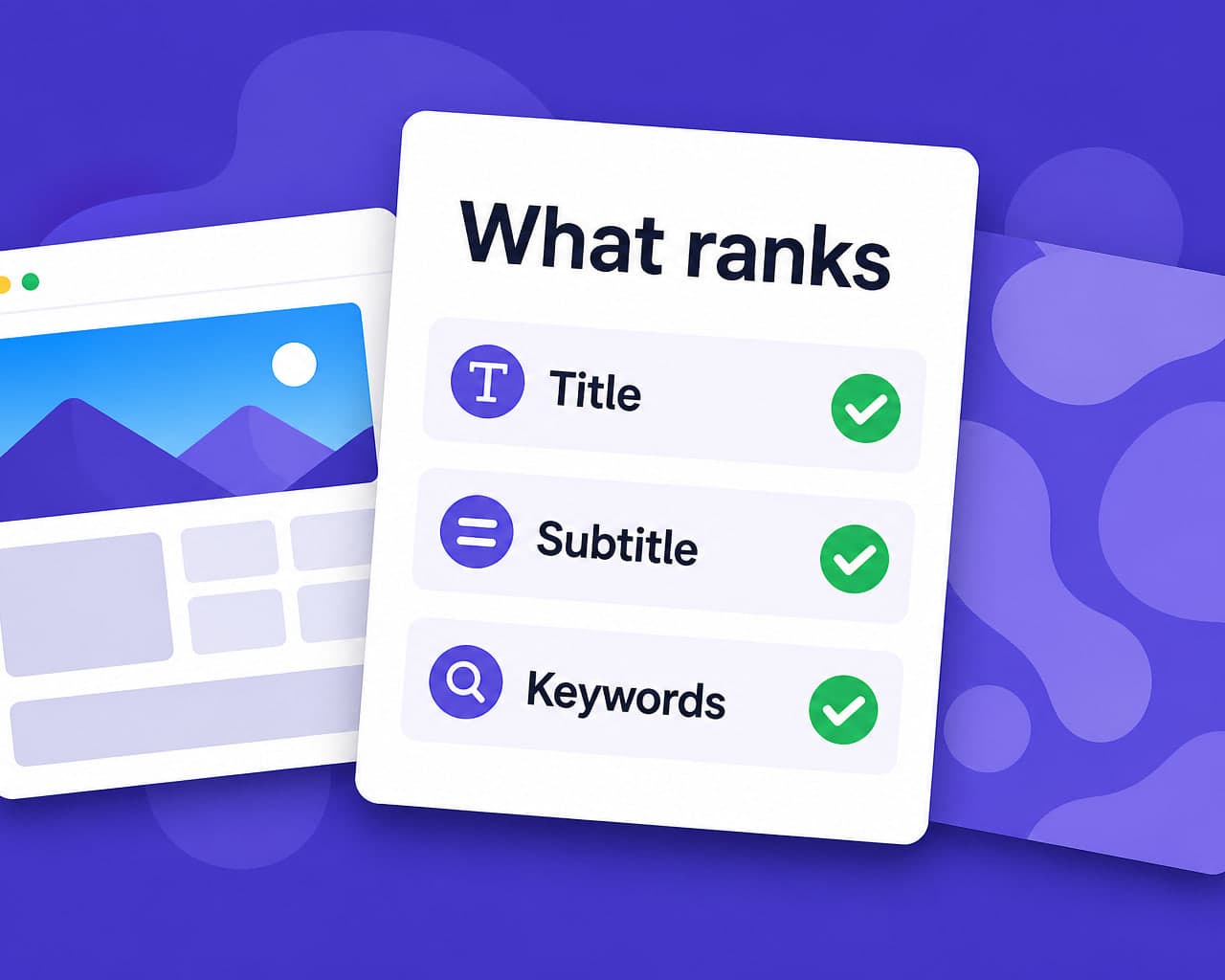
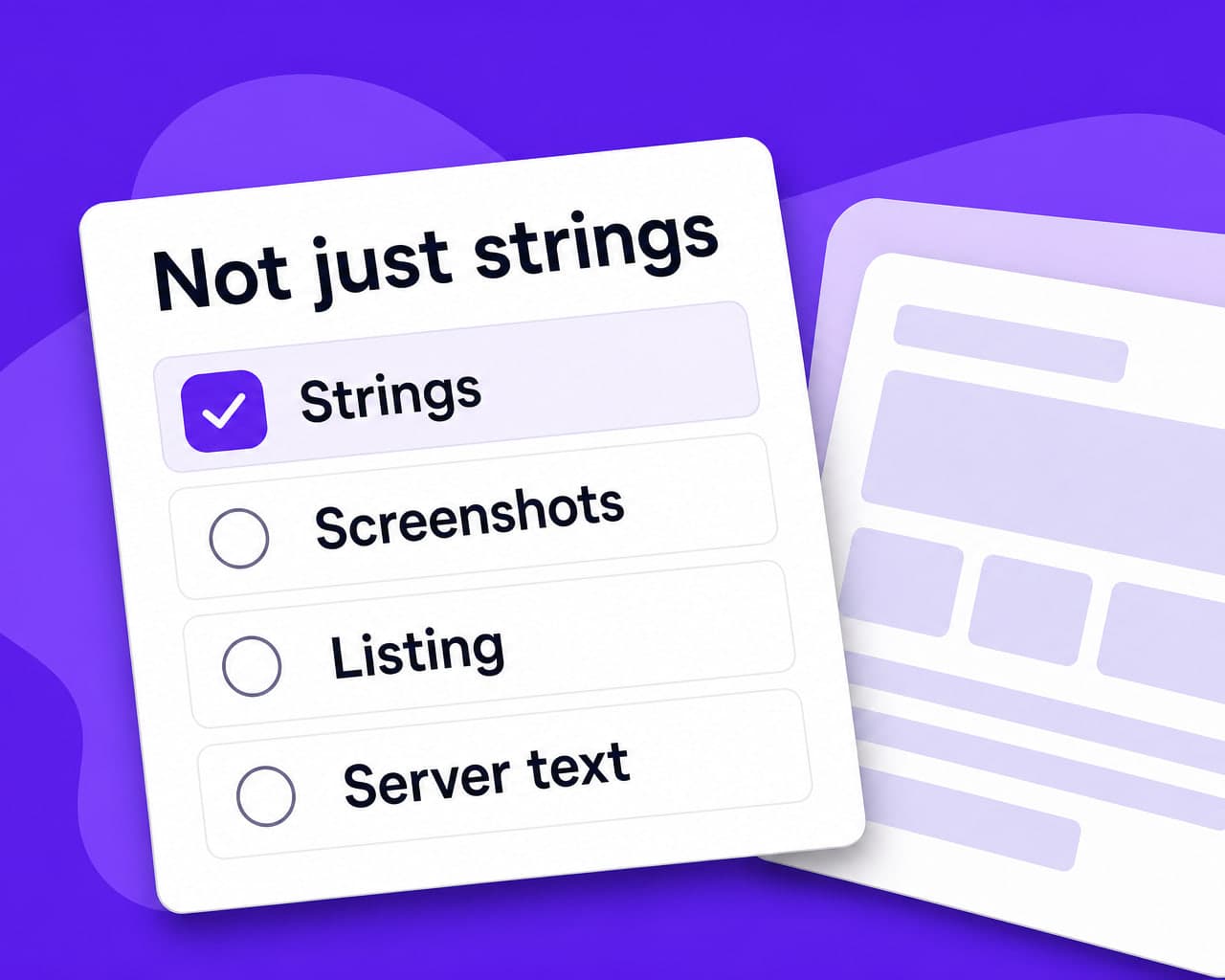
Quick answer — App localization covers strings, screenshots, store listings and server-sent content. Most tools handle strings only, which leaves the parts users actually see untranslated.
Vitra.ai Universe creates, translates, adapts and publishes from one place.
Four jobs, usually one tool
| Job | Where it lives | Commonly covered |
|---|---|---|
| UI strings | .strings and strings.xml | Yes |
| Screenshots | Store assets, images with text | Rarely |
| Store listing | App Store and Play Console | Rarely |
| Server-sent text | Your backend | Almost never |
The last row is the one that surprises teams. Claim statuses, error messages, push notification bodies and product names frequently come from the server as strings the app just displays — so a fully localized app still shows English text, and no amount of app-side work reaches it.
Audit what the server sends before choosing a tool.
What to check in a tool
Does it handle both platforms' formats natively, including plurals and stringsdict, rather than flattening them.
Does it support over-the-air string updates, so a translation fix does not need a release.
Can it produce localized screenshots, which means image translation rather than a string pass.
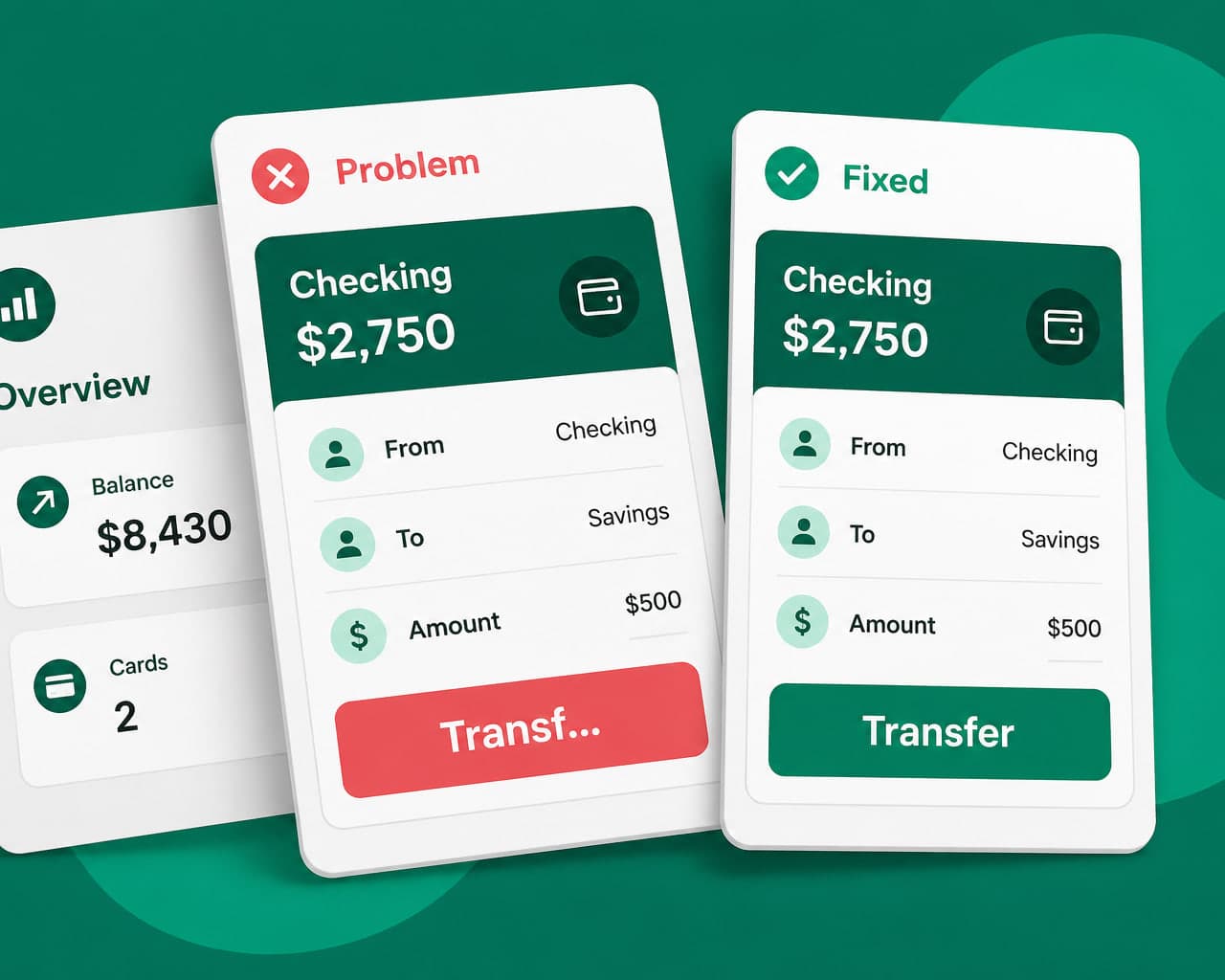
Does it do pseudo-localization, so layout breakage is found before a translator is involved.
Where releases get blocked
Store review, and specifically the listing.
A localized app with an English store listing converts poorly and sometimes fails review for a market.
An app paired with hardware adds a constraint no store listing has: its strings have to match names printed on the device — companion app localization. Listings are their own job with their own character limits, and they are handled separately on each store — covered in App Store and Play Store listing localization.
Consistency across the surfaces
The same feature name has to appear identically in the UI string, the screenshot, the store description and the help article. That only holds if all four resolve from one memory. Four tools with four memories produces four names, and users notice on the surface they meet first. Run quality control on the rendered screens rather than the string file, since truncation and overflow are invisible until the text is laid out.
FAQ
What does app localization cover beyond UI strings? Screenshots, store listings and server-sent text. Claim statuses, error messages and push notification bodies often come from the backend, so an otherwise localized app still shows source-language text.
What should a mobile localization tool support? Native handling of both platforms' formats including plurals, over-the-air string updates, localized screenshot generation, and pseudo-localization to find layout breakage before translation.
Why do localized apps still fail in a market? Usually the store listing. A localized app with a source-language listing converts poorly and can fail review, and listings are a separate job with their own limits on each store.
How do you keep feature names consistent across app surfaces? By resolving all of them from one shared memory. Separate tools for strings, screenshots, listings and help content produce different names for the same feature.