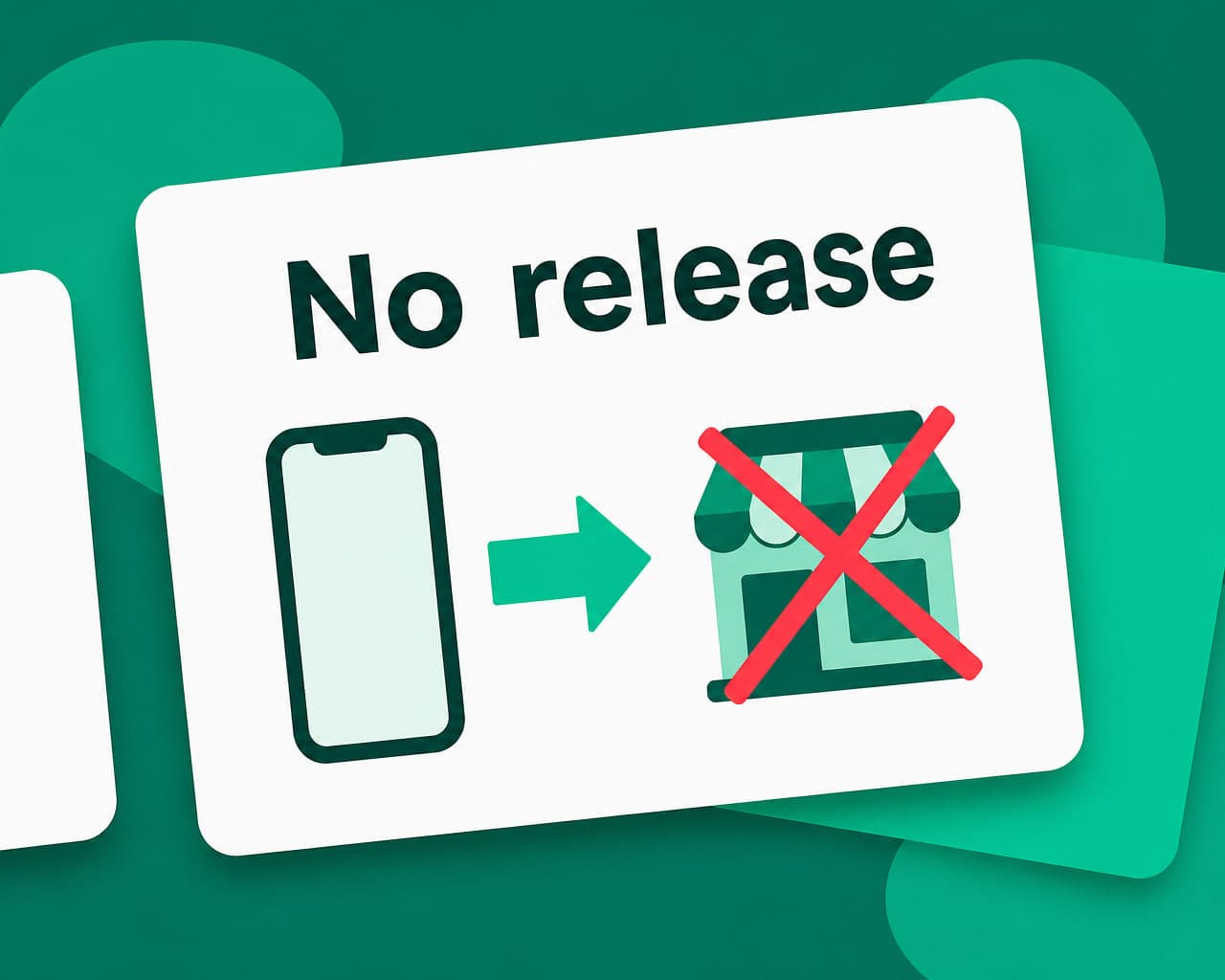
Quick answer — Over-the-air localization delivers translated strings to an installed app without a store release, so a translation fix ships in minutes rather than days. It suits text corrections, not new UI or layout changes.
Vitra.ai Universe creates, translates, adapts and publishes from one place.
The release cycle is the problem
A wrong translation in a shipped app normally means a code change, a build, a store submission and a review — days for a word.
So teams do not fix small things. They batch them into the next release, and the wrong text sits in front of users for weeks because the correction is not worth the process.
How over-the-air strings work
The app ships with a bundled set of strings as a fallback, then fetches an updated set at launch or in the background.
| Property | Behaviour |
|---|---|
| Bundled strings | Always present, used offline |
| Fetched strings | Override the bundle when newer |
| Fetch timing | Launch, background, or on a schedule |
| Failure mode | Falls back to bundled, never blank |
| Adding a language | No release needed |
That last row is the underrated one. A new language becomes a content decision rather than an engineering release, which changes how readily a team adds markets.
What it should not be used for
New UI. If a string does not exist in the shipped build, sending a translation for it does nothing, and designing around that limitation produces confusing behaviour.
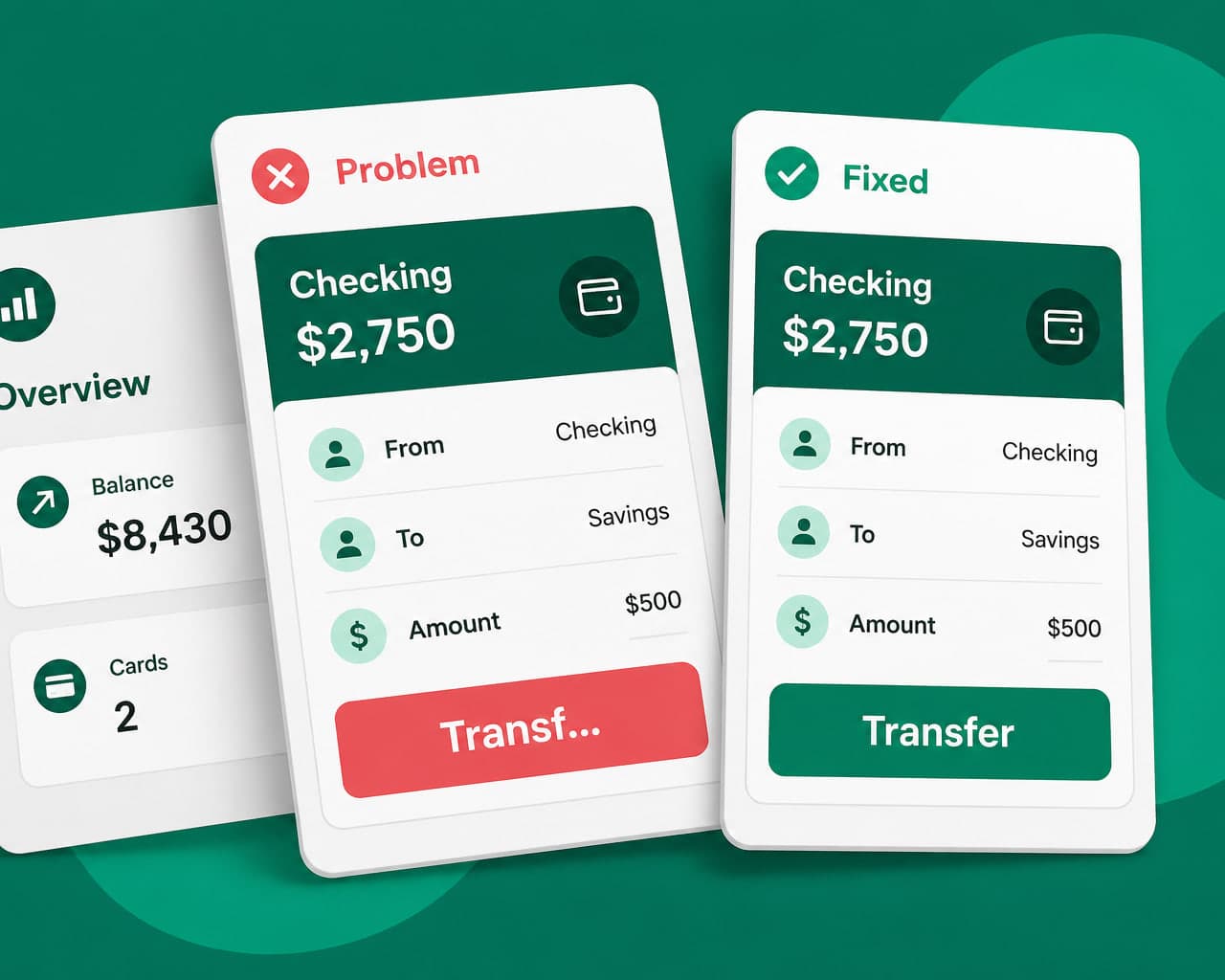
Layout changes, since the app's constraints are compiled in — a string that is now 40% longer will still truncate.
And anything the store rules treat as changing app functionality rather than content. Text corrections are content; a feature delivered as strings is not, and that distinction is worth checking against current policy before relying on it.
Practical requirements
A stable string key scheme, so a fetched translation lands where it is meant to. Versioning, so you know which set a user has. And a rollback, because an OTA push reaches everyone quickly and a bad one does too. Test the fallback path deliberately. An app that renders blank when the fetch fails is worse than one that never fetched, and quality control should gate the pushed set the way it would gate a release.
Where it fits
Pair it with pseudo-localization before release so layout problems are found while they can still be fixed in code, and keep the strings themselves in memory so an OTA correction also propagates to the store listing and help content that use the same wording — rather than fixing one surface and leaving the others.
FAQ
What is over-the-air app localization? Delivering translated strings to an installed app without a store release. The app ships with bundled strings and fetches an updated set, so a text fix reaches users in minutes rather than days.
What should over-the-air strings not be used for? New UI that does not exist in the shipped build, layout changes since constraints are compiled in, and anything store policy treats as changing functionality rather than content.
Does over-the-air delivery allow adding a language without a release? Yes, which is one of its main advantages. Adding a market becomes a content decision rather than an engineering release, so teams add languages more readily.
What has to be tested before relying on OTA strings? The fallback path. If the fetch fails the app must render bundled strings rather than blanks, and you need versioning plus a rollback because a bad push reaches everyone quickly.