Quick answer — Lifecycle email splits by consequence. Trial nudges and tips can publish once checked automatically; renewal notices, price changes and payment failures carry contractual weight and need a reviewer.
Vitra.ai Universe ships product and customer content in every language.
Not all lifecycle email is the same
A tip halfway through a trial and a notice that a subscription price is changing are both lifecycle emails and they belong in different workflows. One is marketing. The other is a contractual communication that in several markets has notice-period requirements attached. Treating them identically is how a translated price-change notice ships without anyone competent reading it.
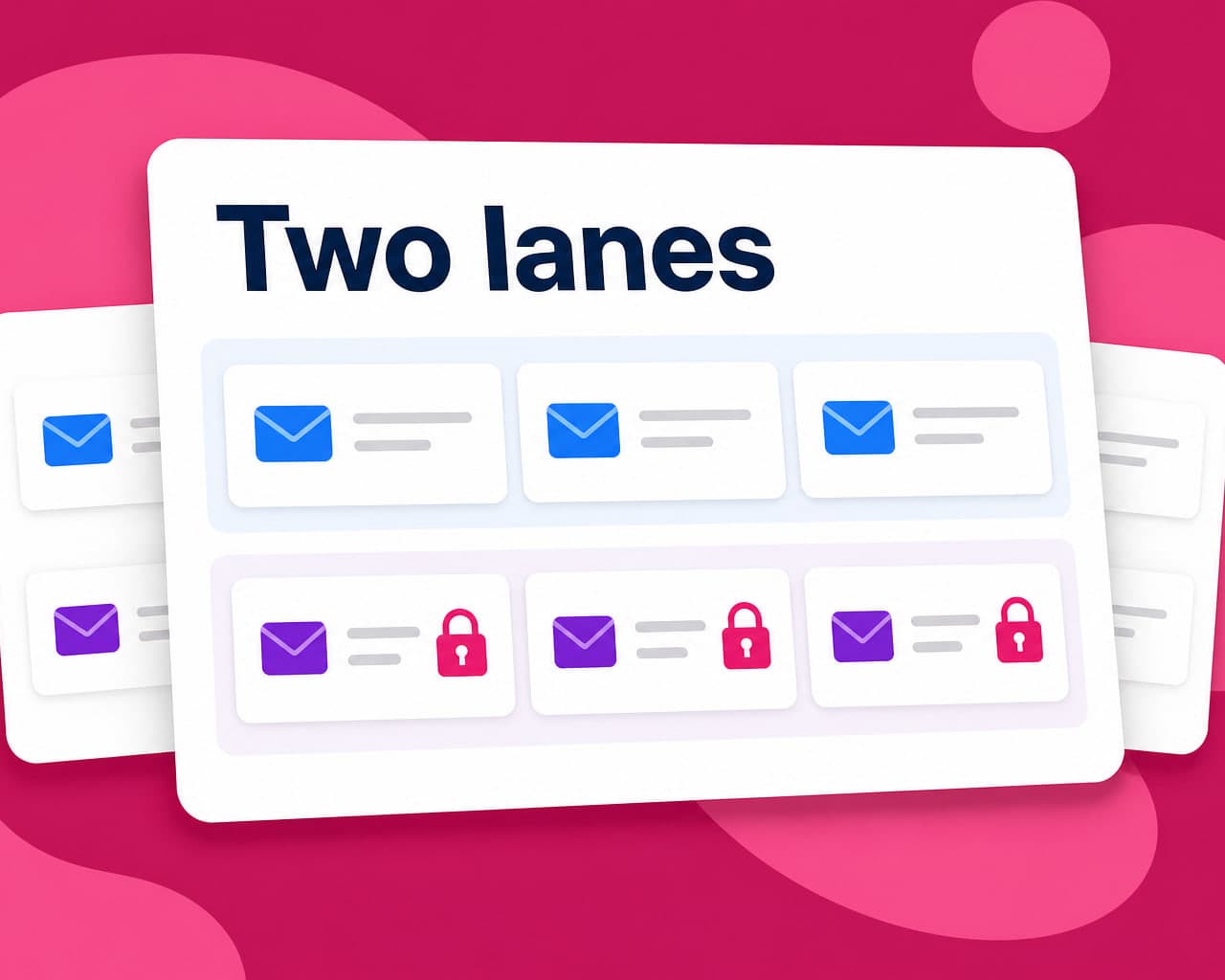
Route by consequence
| Review | |
|---|---|
| Trial tips and nudges | Automatic |
| Feature education | Automatic |
| Usage and limit warnings | Automatic |
| Renewal reminder | Reviewed |
| Price change notice | Reviewed, legal |
| Payment failure and dunning | Reviewed |
| Cancellation and win-back | Reviewed |
Dunning is worth naming. It has to be clear about what failed, what happens next, and by when — and softening that in translation to sound friendlier is exactly the wrong instinct, because the customer needs to act.
Notice periods do not translate
A renewal notice that satisfies a notice requirement in one market may not in another, and the requirement attaches to timing and content rather than to language.
That is a legal question per market, answered before the sequence is localized, not a translation decision. The same routing logic as content approval workflow applies.
Keep the commercial terms exact
Prices, currencies, billing dates, plan names and refund terms all have to match what the customer actually agreed to.
Hold them in memory so the email, the pricing page and the terms agree, and run a back-translation check on anything describing an obligation — a dropped negation in a renewal notice is the failure that becomes a dispute.
Timing and locale
Send by market rather than globally, and format dates unambiguously. A renewal dated 03/04 is two different days depending on who reads it, and on a billing email that ambiguity is expensive.
Quality control runs before send, because email cannot be recalled.
FAQ
Which lifecycle emails need human review? Renewal reminders, price change notices, dunning and cancellation emails. Trial tips, feature education and usage warnings can publish once automated checks clear them.
Do notice period requirements affect translation? They affect scope and timing rather than wording. Whether a renewal notice satisfies a local requirement is a legal question per market, answered before the sequence is localized.
How should dunning emails be translated? Directly. They must be clear about what failed, what happens next and by when. Softening the wording in translation to sound friendlier stops the customer acting, which defeats the email.
What formatting matters in billing email? Unambiguous dates above all. A renewal dated 03/04 reads as two different days depending on locale, and on a billing email that ambiguity costs support time and trust.