Regulatory Translation in Pharma: The Audit Trail
An inspector does not ask whether a translation reads well. They ask who approved it, when, and against which version of the source for most banks.

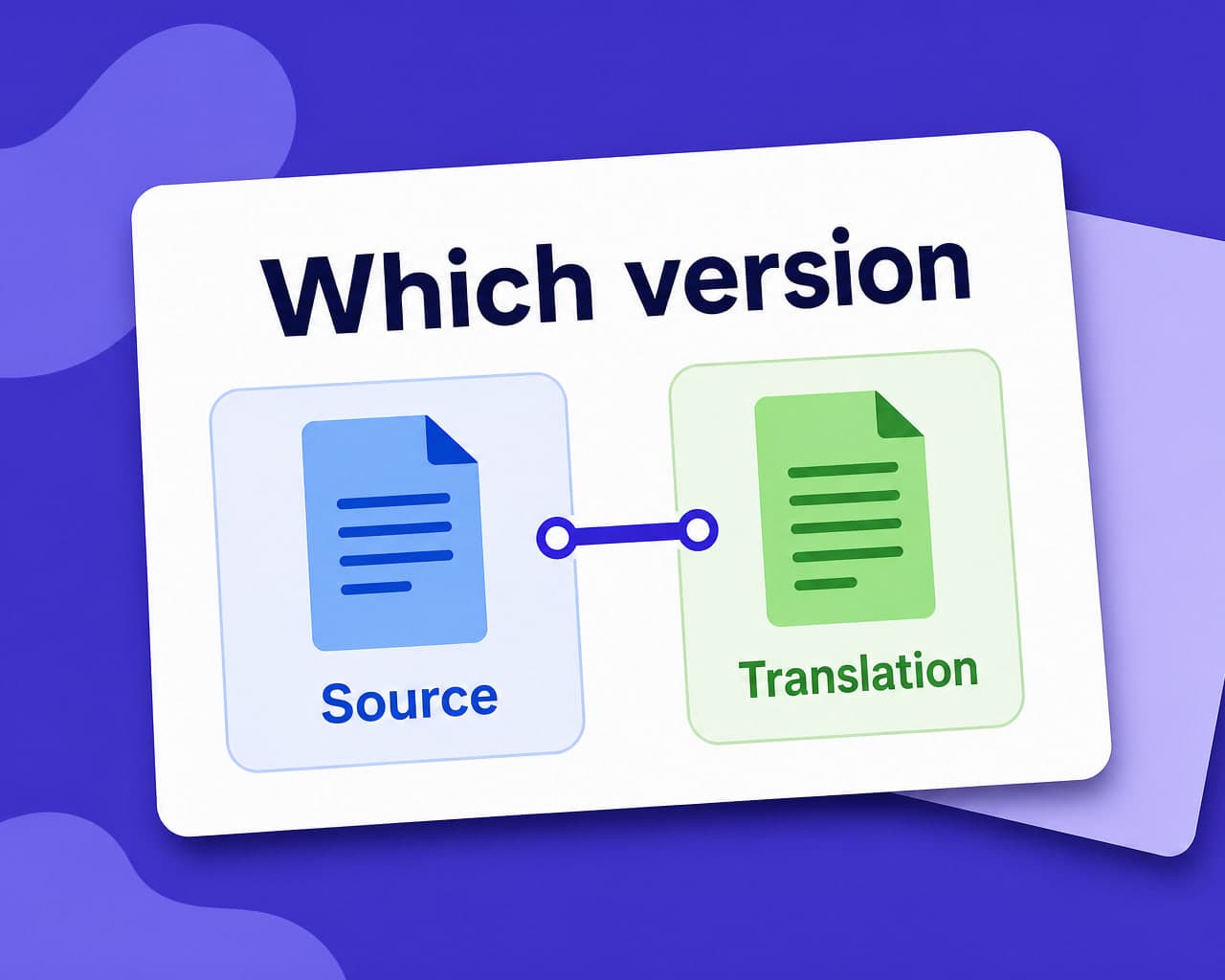
Quick answer — Regulatory translation is judged on traceability rather than fluency. The questions are who approved this rendering, when, and against which source version — and a tool that cannot answer them is unusable however good its output.
Three questions, and only three
Who approved this. When. Against what source version.
Everything else in a regulatory translation conversation is downstream of those. A submission can be linguistically excellent and still fail an inspection because nobody can demonstrate the chain from the approved source to the filed translation.
Why spreadsheets are still the default
Most pharma localization runs on email and spreadsheets not because nobody has tried to improve it, but because the spreadsheet is where the audit trail lives. Replacing it with a tool that translates faster and records less is a downgrade, and quality teams correctly refuse. The only replacement that works produces a better record than the spreadsheet did. quality control with reviewer sign-off does that as a by-product of the work, so the trail is generated rather than maintained.
Version binding is the part that breaks
A source document is amended. Somewhere, nine translations now correspond to a version that no longer exists, and nothing in the process flags it.
Bind each translation to a source version explicitly. Then a source change marks its translations stale automatically instead of leaving somebody to notice.
Controlled vocabulary is not style
MedDRA terms, international non-proprietary names, dosage forms. A translator improving one of these has introduced a deviation, and translation memory holding the approved rendering is what prevents an improvement nobody asked for.
What speed is actually worth here
Less than people assume. A submission timeline is measured in months and the translation is rarely the critical path. Traceability is worth more than turnaround, and vendors sell the wrong one.
Where to start
Version binding and sign-off, before any volume.
Pharma translation formats covers what the documents actually are.
FAQ
What does a regulatory inspector ask about a translation? Who approved it, when, and against which source version. Everything else is downstream, and a linguistically excellent submission can still fail if that chain cannot be demonstrated.
Why does pharma localization still run on spreadsheets? Because the spreadsheet is where the audit trail lives. A tool that translates faster and records less is a downgrade, which is why quality teams refuse it, correctly.
What is version binding and why does it matter? Tying each translation to a specific source version. Without it, an amended source leaves nine translations matching a version that no longer exists and nothing in the process flags it.
Is speed worth much in regulatory translation? Less than vendors suggest. A submission timeline runs in months and translation is rarely the critical path, so traceability is worth considerably more than turnaround.
Our blog
Lastest blog posts
Tool and strategies modern teams need to help their companies grow.
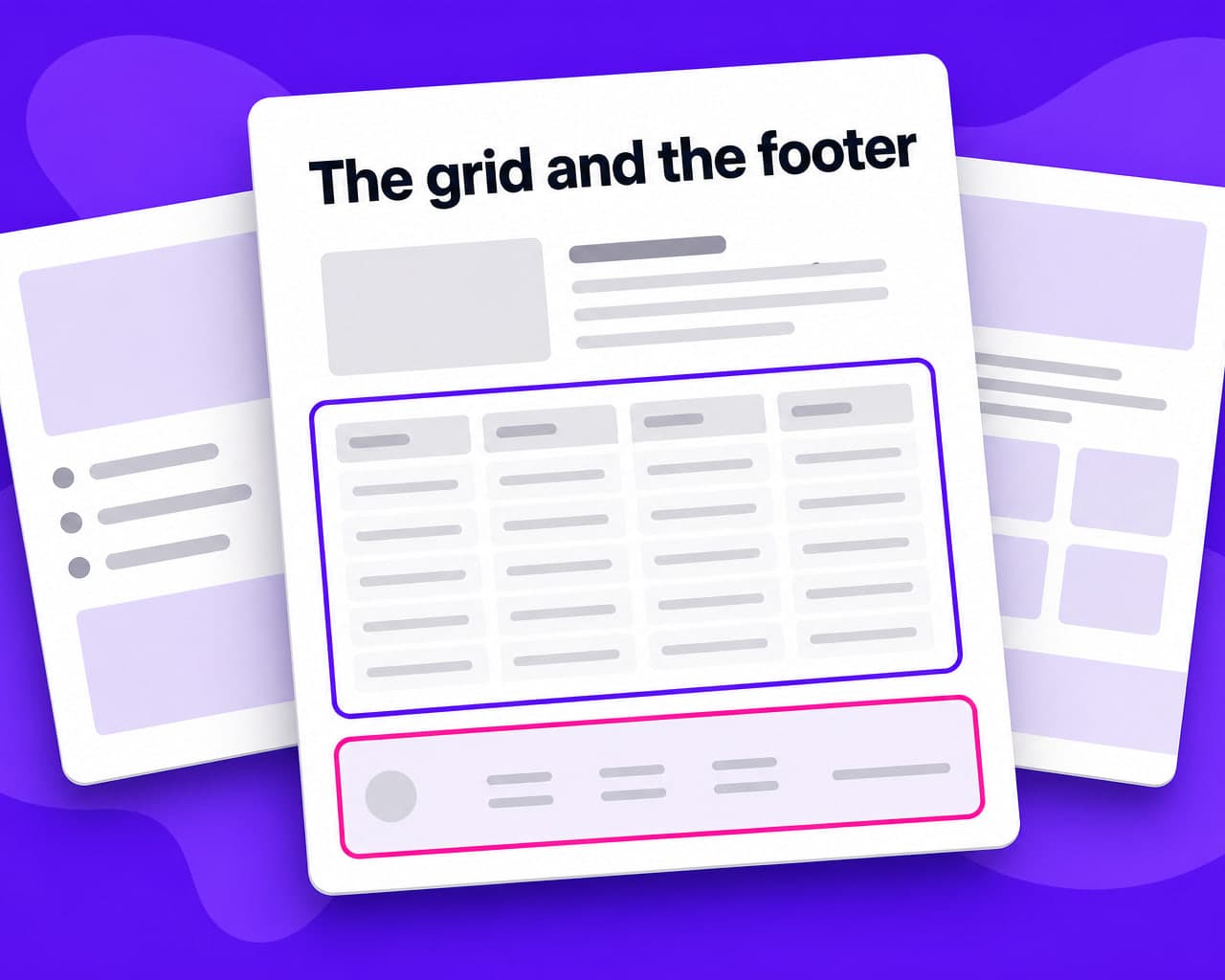
Automotive
Automotive Brochure Localization by Market
A car brochure is a spec grid, a legal footer and a photo library, all market-specific. What actually has to change, and why the layout decides the schedule.

Automotive
Automotive Campaign Localization Across Markets
Campaigns run through national companies and dealer networks, so one master becomes hundreds of files. Where the offer text and the disclaimers actually break.
Automotive
Car Service Manual Translation for Technicians
A workshop manual is read mid-repair by someone with the car on a lift. What that demands of procedures, torque figures and fault codes, in every language.