Pharma Localization Strategy: Sequence and Scope
Pharma localization fails on sequencing, not capability. Doing the regulated estate first stalls the programme before it proves anything as well.

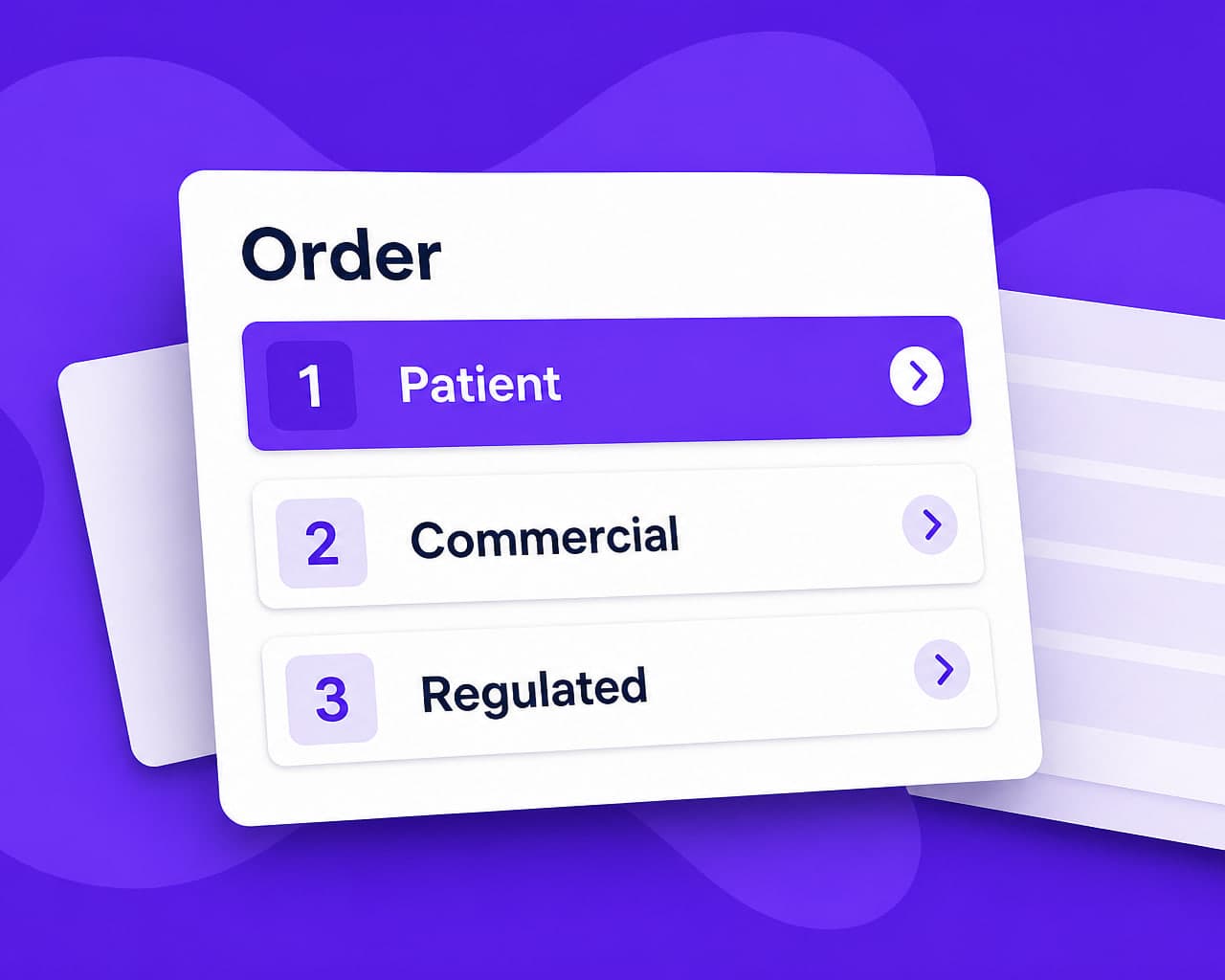
Quick answer — The order matters more than the tooling. Programmes that begin with the regulated estate stall in review cycles and never demonstrate value; those that begin with patient and commercial content build the case that funds everything else.
Starting with the dossier is the classic error
It is the most valuable content, so it looks like the right place to begin. It is also the content with the longest review cycle, the most stakeholders and the lowest tolerance for change. A programme that starts there spends eighteen months in validation and produces nothing anyone outside quality can point at. Funding is reviewed before it finishes.
Start where the feedback loop is short
Patient adherence material, HCP education, market access decks, congress content. Weeks not months, visible results, and the same terminology discipline that the regulated estate will later need.
By the time the dossier work begins, the glossary is built, translation memory holds approved renderings, and the reviewers already trust the process. That is a different conversation from starting cold.
Scope by market obligation, not market size
A large market where you already file in the local language needs less than a smaller one where you do not. Sequence by what is currently unserved rather than by revenue, because the gap is where the return is.
Affiliate content is the invisible half
Local affiliates produce their own material, often unreviewed by the centre and frequently better adapted than anything head office sends.
Bringing that into asset manager makes it reusable rather than duplicated fourteen times.
Where the ceiling is
Anything a regulator has approved in a specific wording. That is not a localization decision and no strategy changes it.
Where to start
One patient-facing asset, two markets, with the glossary built as you go.
AI for pharma sets out the two estates.
FAQ
Why shouldn't a pharma programme start with the dossier? Because it has the longest review cycle, the most stakeholders and the least tolerance for change. A programme starting there spends eighteen months in validation before showing anything.
Where should it start instead? Patient adherence material, HCP education, market access decks and congress content. Short feedback loops, visible results, and the same terminology discipline the regulated estate will need later.
How should markets be sequenced? By what is currently unserved rather than by revenue. A large market where you already file locally needs less than a smaller one where you do not, because the gap is where the return is.
What happens to affiliate-produced content? It usually stays invisible to the centre and gets duplicated across markets. Bringing it into a shared asset library makes it reusable, and it is often better adapted than head-office material.
Our blog
Lastest blog posts
Tool and strategies modern teams need to help their companies grow.

Automotive
Automotive Brochure Localization by Market
A car brochure is a spec grid, a legal footer and a photo library, all market-specific. What actually has to change, and why the layout decides the schedule.

Automotive
Automotive Campaign Localization Across Markets
Campaigns run through national companies and dealer networks, so one master becomes hundreds of files. Where the offer text and the disclaimers actually break.
Automotive
Car Service Manual Translation for Technicians
A workshop manual is read mid-repair by someone with the car on a lift. What that demands of procedures, torque figures and fault codes, in every language.