Quick answer — Reinsurance translation is two jobs. Treaty wordings are long, standardised documents where reuse is unusually high. Bordereaux are large spreadsheets where almost nothing should be translated and getting that wrong corrupts the data.
Vitra.ai Universe handles document and structured formats through one memory.
Two formats, opposite problems
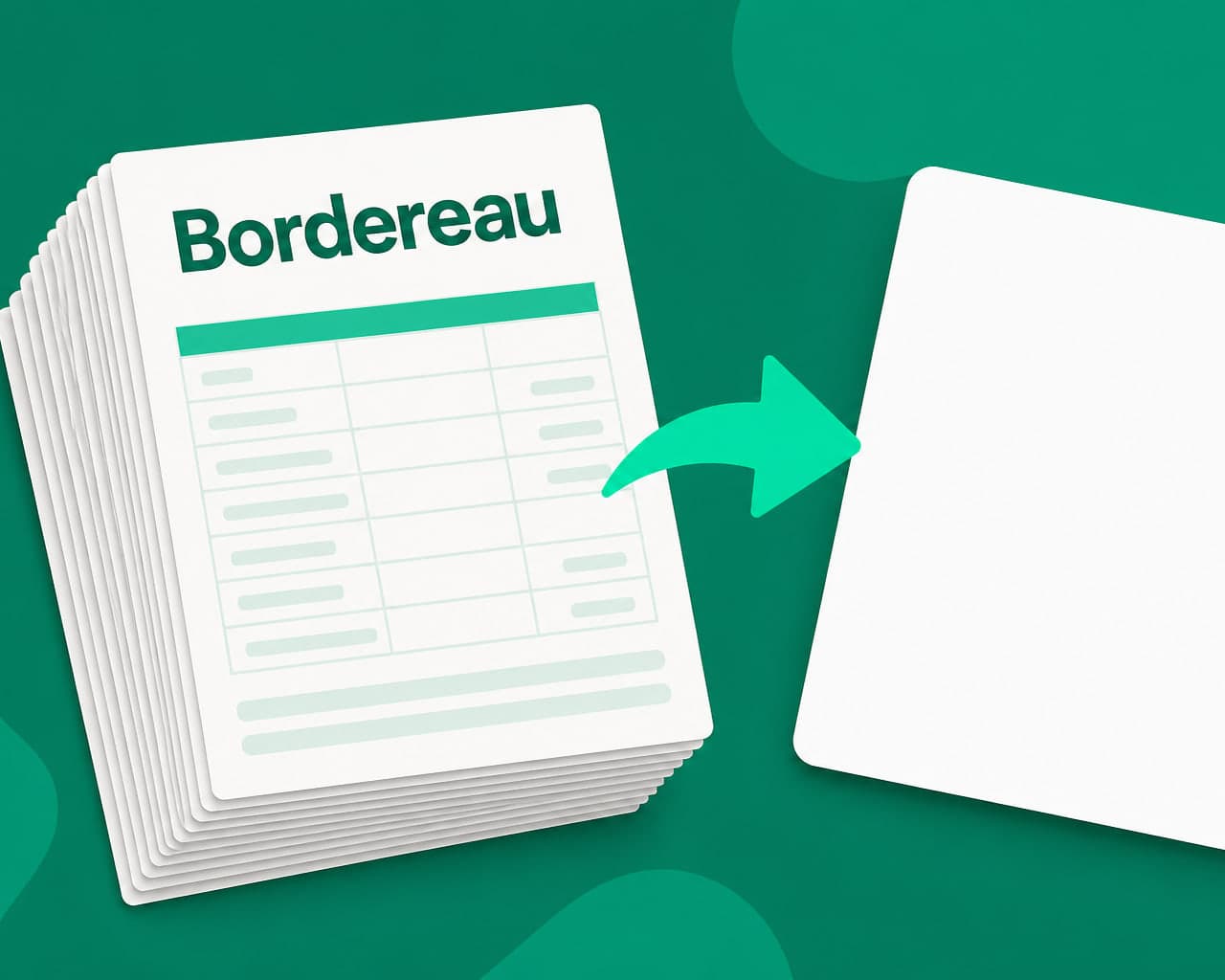
A treaty is prose: long, structured, heavily standardised, and highly reusable across placements. A bordereau is data: thousands of rows of policy, exposure and loss records submitted by a cedent.
They need almost opposite handling, and conflating them is the common mistake.
The format matrix
| Format | What it is in reinsurance | What translation has to preserve |
|---|---|---|
| Word | Treaty wordings and slips | Clause structure — much of it is market-standard |
| Excel / CSV | Bordereaux, loss runs, exposure data | Nearly everything. Only headers and free text move |
| Executed treaties and cedent submissions | Structure, for reading rather than editing | |
| PowerPoint | Renewal presentations from cedents | Charts, and figures matching the bordereau |
| Structured data | Peril, class and territory codes | Codes fixed, descriptions mapped |
| Word (internal) | Underwriting guidelines and referrals | Numbering, for internal citation |
| Video | Internal training across underwriting teams | Dubbed audio for a multi-market team |
| Web | Corporate site only | Lowest priority in the entire line |
The bordereau is where damage happens
A loss run has columns for date, currency, amount, cause and free-text description. Exactly one of those is translatable.
Run a spreadsheet through a general translation process and you get reformatted dates, converted decimal separators, and currency codes rendered as words. The data is now wrong in ways that survive into pricing, and nobody spots it until the numbers do not reconcile.
Column-level rules, set once per cedent format, are the whole answer.
Treaty reuse is unusually high
Market clauses recur, structures repeat, and most of a treaty is standard language around a few negotiated points. That makes translation memory more effective here than in any retail line — the proportion of a new wording already rendered and approved is high enough to change the economics.
Renewal season concentrates everything
Submissions arrive from many cedents in a short window. The constraint is not annual volume, it is a few weeks where throughput decides how many submissions get read properly.
Pre-agreeing formats with regular cedents is worth more than any processing speed.
Where to start
Internal training runs through video dubbing for a multi-market underwriting team. Write column rules for the two non-English cedent bordereau formats you receive most, before renewal season rather than during it.
The portfolio-level view is in AI for reinsurers.
FAQ
What are the two main formats in reinsurance translation? Treaty wordings, which are long standardised documents with unusually high reuse, and bordereaux, which are large spreadsheets where almost nothing should be translated. They need opposite handling.
Why are bordereaux risky to translate? Because only the free-text description column is translatable. A general process reformats dates, converts decimal separators and renders currency codes as words, corrupting data that then survives into pricing.
Why is translation memory especially effective for treaties? Because market clauses recur and most of a treaty is standard language around a few negotiated points, so the proportion of a new wording already rendered and approved is far higher than in retail lines.
When should reinsurers prepare cedent submission formats? Before renewal season. Submissions arrive from many cedents in a short window, so pre-agreeing formats with regular cedents is worth more than any processing speed.