Quick answer — Construction tenders combine drawings, quantities, programme and qualitative responses on a fixed deadline. Prepare the reusable content in advance so the window is spent on what is specific to this bid.
Vitra.ai Universe keeps one site vocabulary across drawings, documents and talks.
The deadline is fixed and the pack is large
A tender arrives with a submission date that does not move, and a document set covering scope, drawings, quantities, programme, contract terms and a long list of qualitative questions.
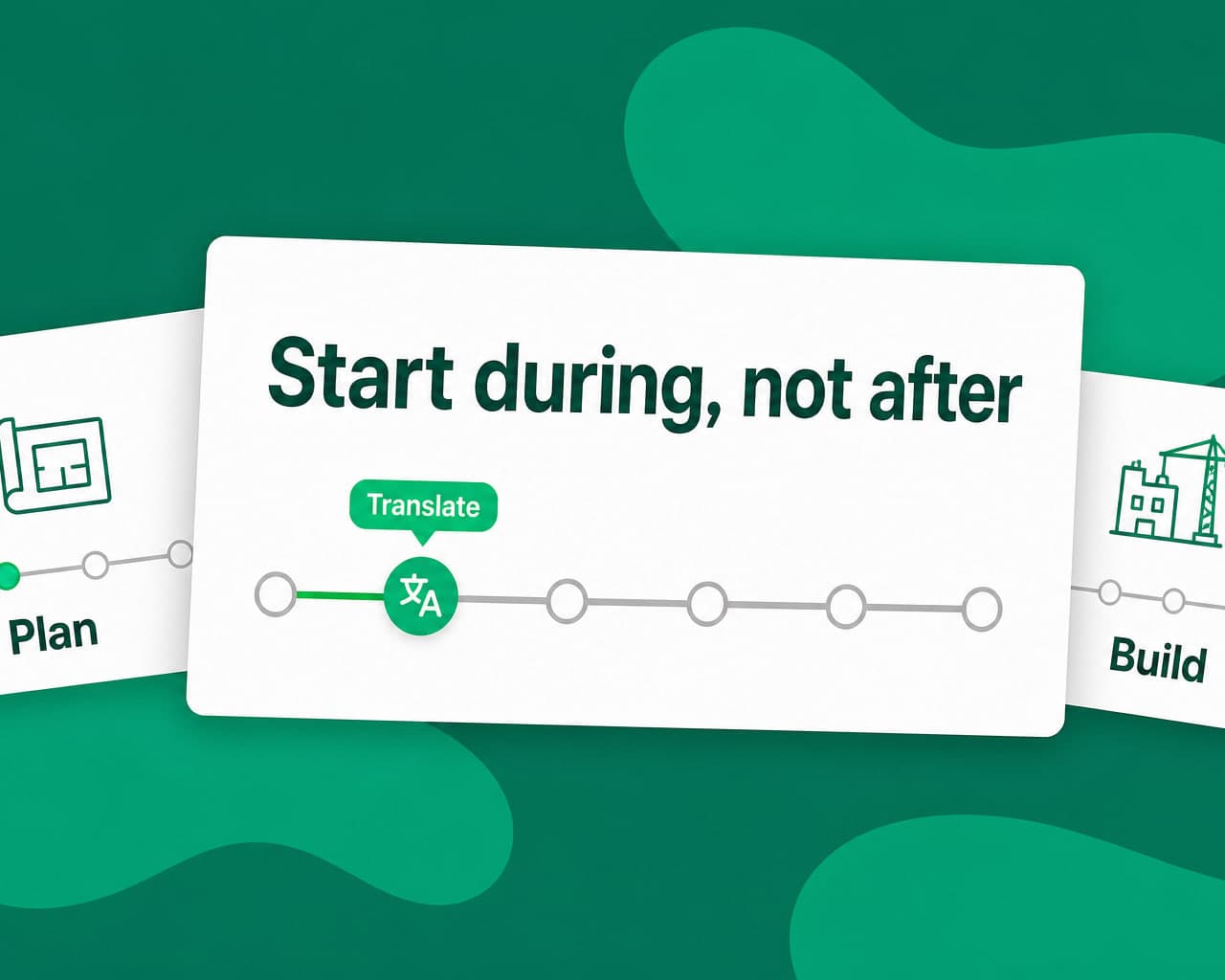
Translation inside that window competes with estimating, and it usually loses. So the work has to move outside the window.
What can be ready in advance
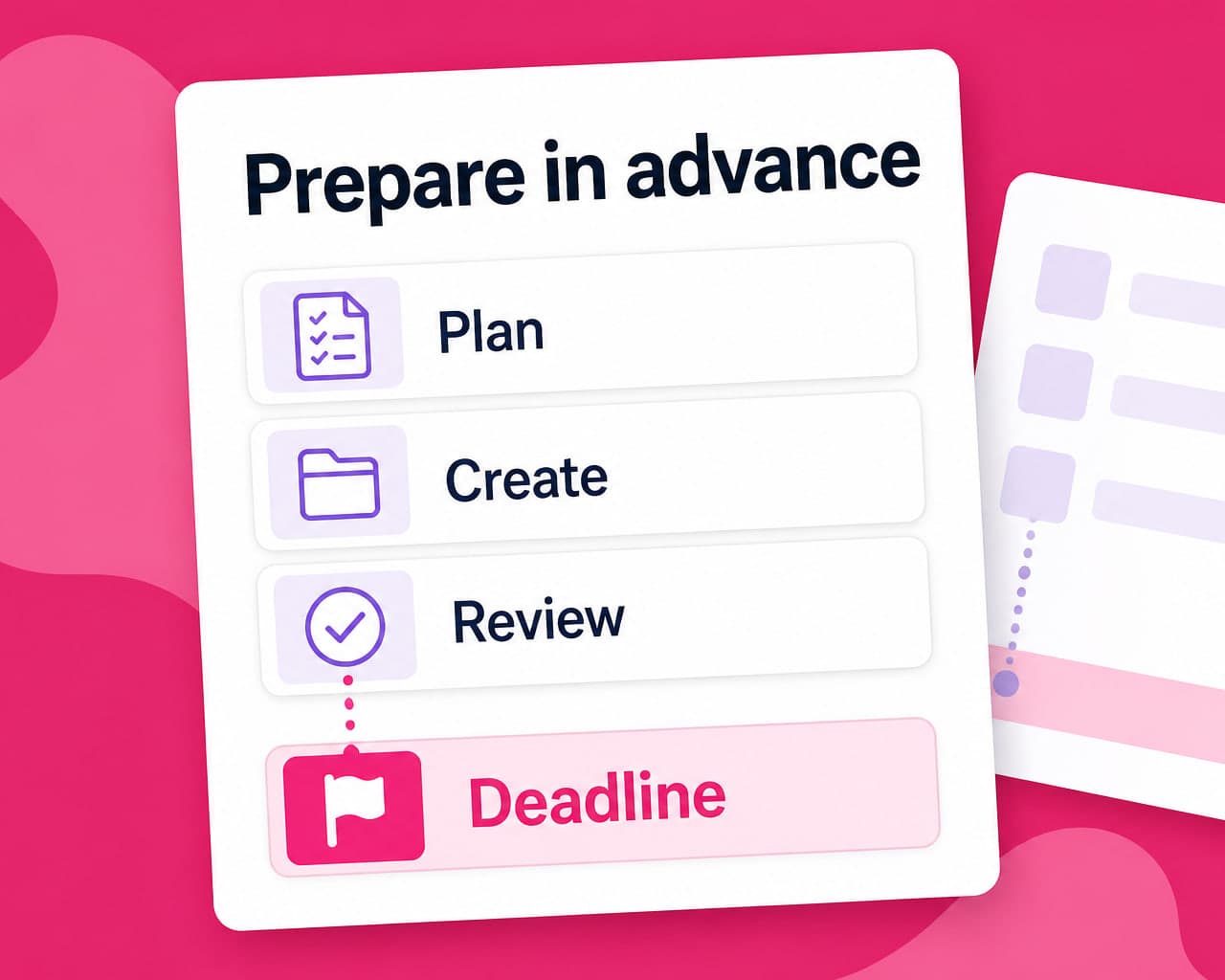
Most of a bid is not new. Company information, quality and safety approach, environmental policy, case studies, method narratives and standard qualifications recur across submissions.
| Content | Reusable? |
|---|---|
| Company and capability information | Yes, almost entirely |
| Quality, safety and environmental approach | Yes, with tailoring |
| Case studies and references | Yes, selected per bid |
| Standard qualifications and exclusions | Yes |
| Priced schedules and quantities | No |
| Programme and method for this project | No |
| Answers to project-specific questions | No |
Translating the reusable material once and holding it in translation memory means the deadline window is spent on the genuinely new content, which is the smaller part. The saving compounds, because every subsequent bid draws on a larger pool of approved text. After a few submissions the reusable share is settled, and the only cost left is the project-specific writing. That is also the point at which quality stops varying between bids. The saving compounds, because every subsequent bid draws on a larger pool of already-approved text. After a few submissions the reusable share is translated, reviewed and settled, and the only cost left is the project-specific writing.
Quantities and drawings are not prose
Schedules and bills of quantities carry item descriptions, units and figures, and the risk is formatting rather than wording — separators, units and item references that must survive exactly.
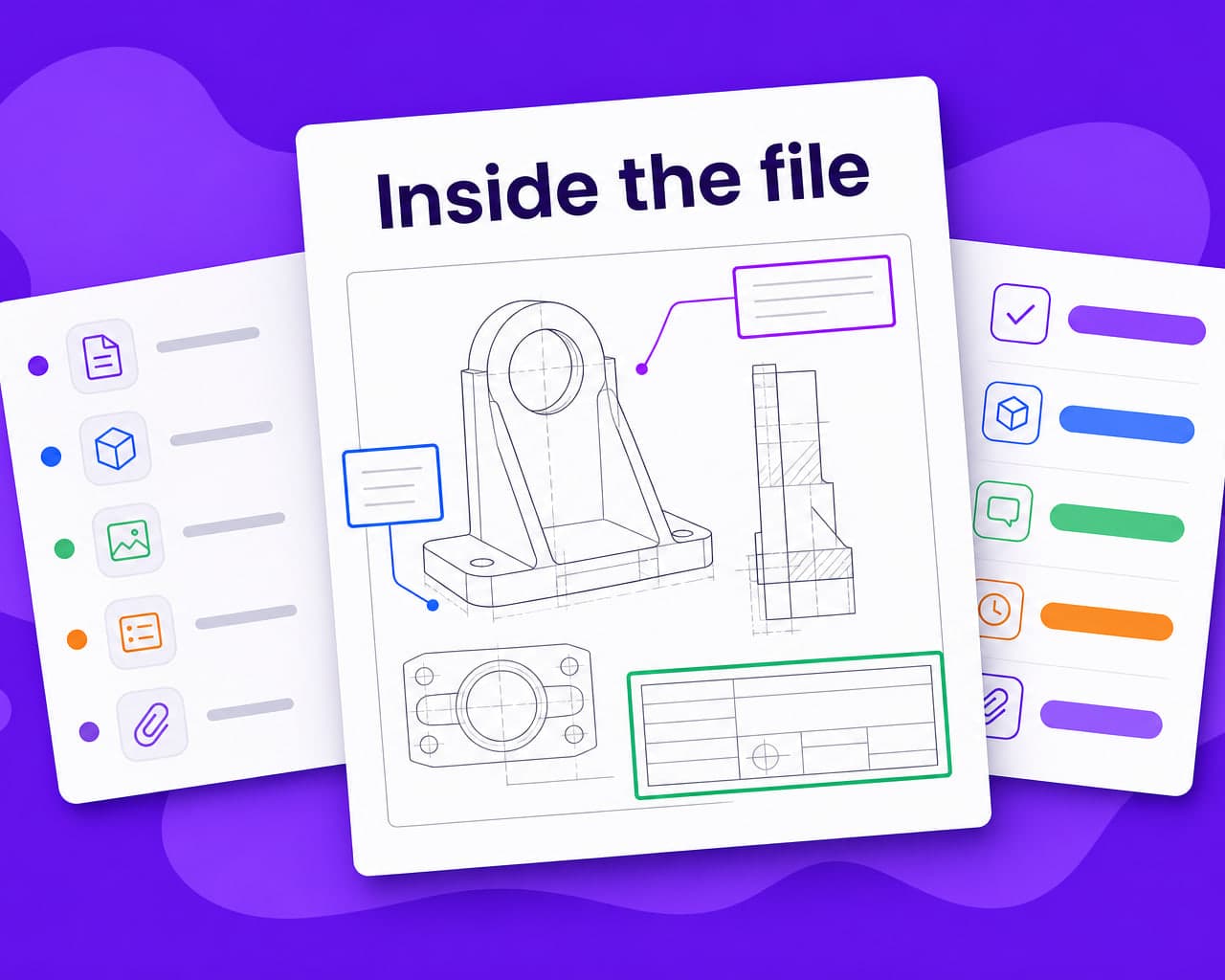
Drawings carry their text inside the file, so they need image-level treatment rather than a document pass.
Clarifications run on their own clock
Questions to the client and the answers that come back arrive during the bid period, sometimes in another language, and they change the basis of the bid.
Those need turning around in hours rather than days, and they need to reach whoever is pricing. A clarification that arrives translated after the price is set has not been received in any useful sense.
Terminology has to be consistent across the pack
An evaluator reading the method narrative, the programme and the schedule is checking whether they describe the same job.
Terms that vary between sections read as a bid assembled by people who did not speak to each other. A pinned glossary and quality control across the whole pack prevent that — the same discipline as a manufacturing tender, with more documents and a shorter fuse. Getting the reusable half ready in advance is content workflow automation.
FAQ
How do you translate a tender inside the bid window? Mostly by not doing it then. Company information, safety and quality approach, case studies and standard qualifications recur across bids, so translating them in advance leaves only project-specific content.
What is the risk in bills of quantities? Formatting rather than wording. Separators, units and item references have to survive exactly, and a value reformatted inconsistently within a schedule looks plausible in every version.
What about clarifications during the bid period? They need turning round in hours and reaching whoever is pricing. A clarification translated after the price is set has not been received in any useful sense.
Why does consistency across the pack matter? Because an evaluator reading the narrative, programme and schedule is checking whether they describe the same job. Terms varying between sections read as a bid nobody coordinated.